
A Review of Dubblefilm Jelly and Psych Blues #3
As film photographers, our choices of film stocks are dwindling. During a recent deep-dive into available film choices, I came across a gallery of images featuring what appeared to be rainbow light leaks; what followed was my introduction to the world of tinted films. I guess I’ve been out of the film game for a while because I had no idea that tinted and pre-exposed film even existed. As someone who appreciates the occasional purposeful light leak, my interest was piqued, and in the interest of potentially adding these stocks to my film portrait photography, I wanted to experiment to see how they behaved.
What the Heck is Experimental Film?
Experimental film (AKA: tinted film, AKA: pre-exposed film) is film that has been altered with light or chemicals to affect the image in some way. It’s a broad term that encompasses everything from DIY film soup to novelty film that’s been pre-exposed with little alien faces (Kono Alien). Experimental and tinted film stocks are commercially available from companies like Lomography, Revelog, Kono, and the focus of this review: Dubblefilm and Psychadelic Blues.
Haters
I will note really quickly that some people apparently hate experimental film. When I saw the comments on a popular photography forum introducing one of these film stocks, it was proof enough that too many people are allergic to fun. I’m not here to convince anyone that either of these film stocks are morally or artistically pure; I just think they look cool.
Down to Business
For my initial trials, I chose two options that seemed to do a similar rainbow-y, color-blob kind of thing: Dubblefilm Jelly and Psychedelic Blues #3. Both are offered in 200 and 400 speed, and they are available for around $20 from various retailers. Adding to their ease of use, both stocks are developed using the standard C-41 process, so your usual lab can handle them like typical color negative film (because that’s what they are).
Dubblefilm Jelly
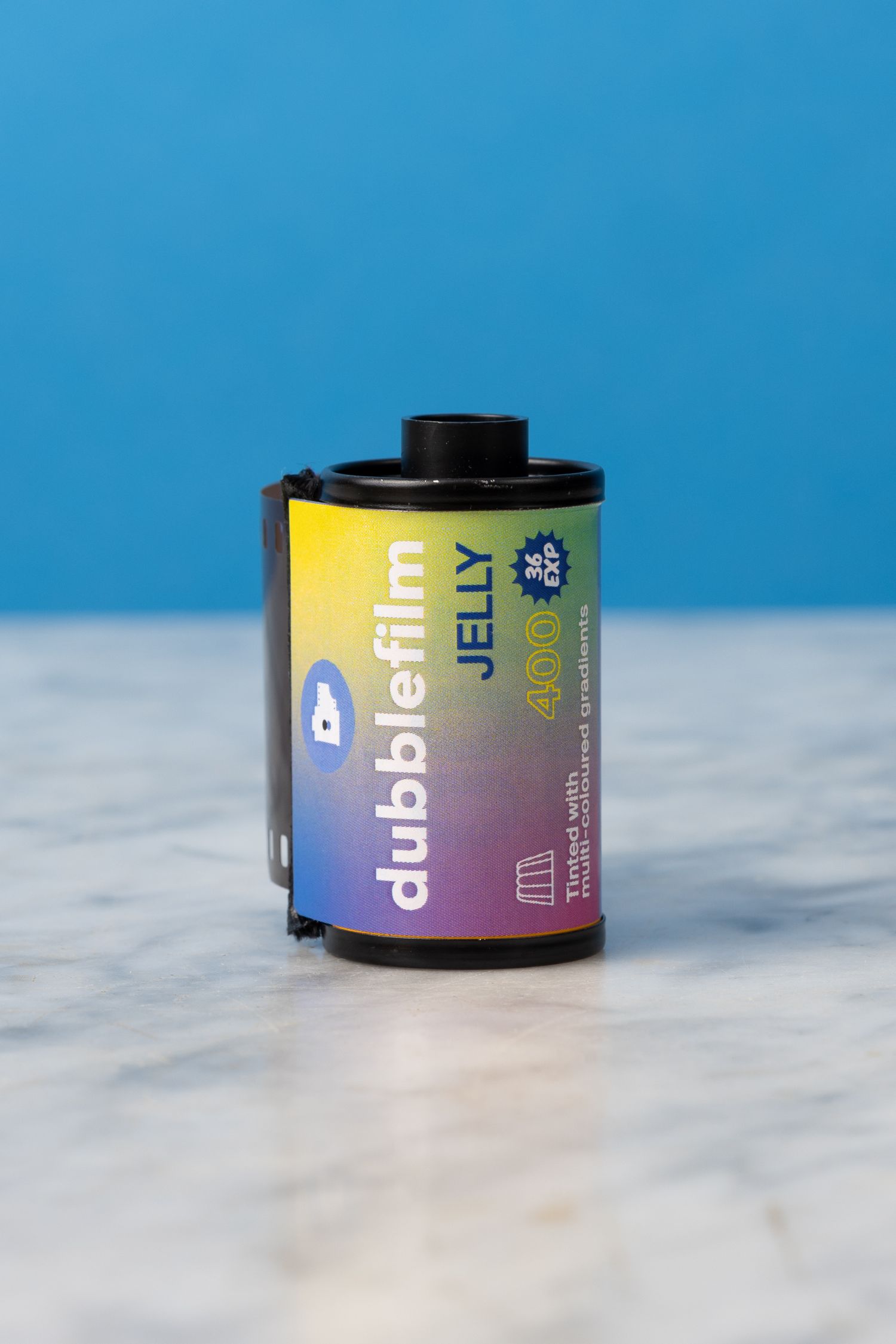
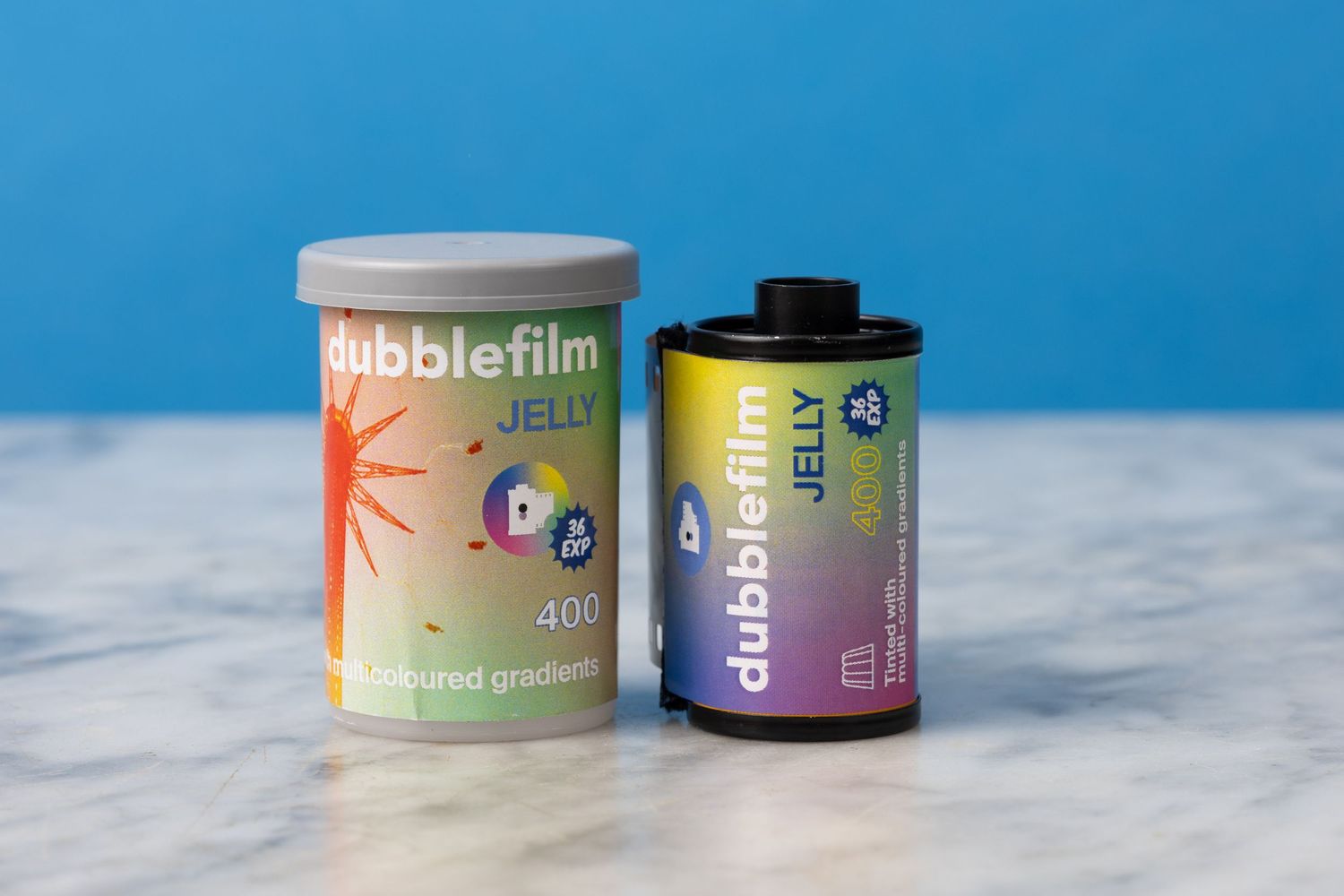
- Dubblefilm Jelly is a collaboration between KONO!, a German film company, and Dubblefilm, which began as a filter app for smart phones. You can definitely see that filter heritage in this film.
- Jelly uses Kodak Gold and Ultramax as base film for its 200 and 400 speed offerings, respectively.
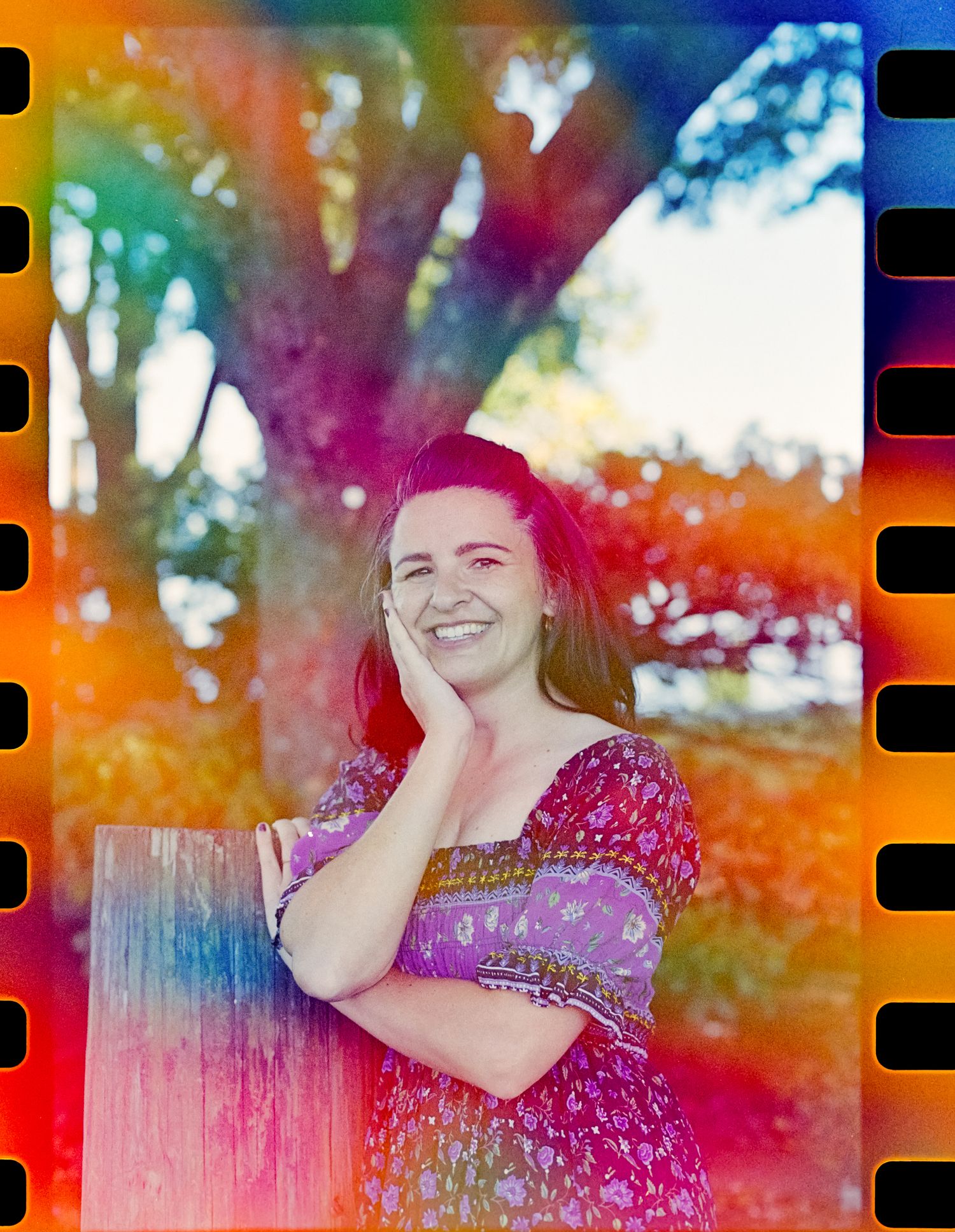
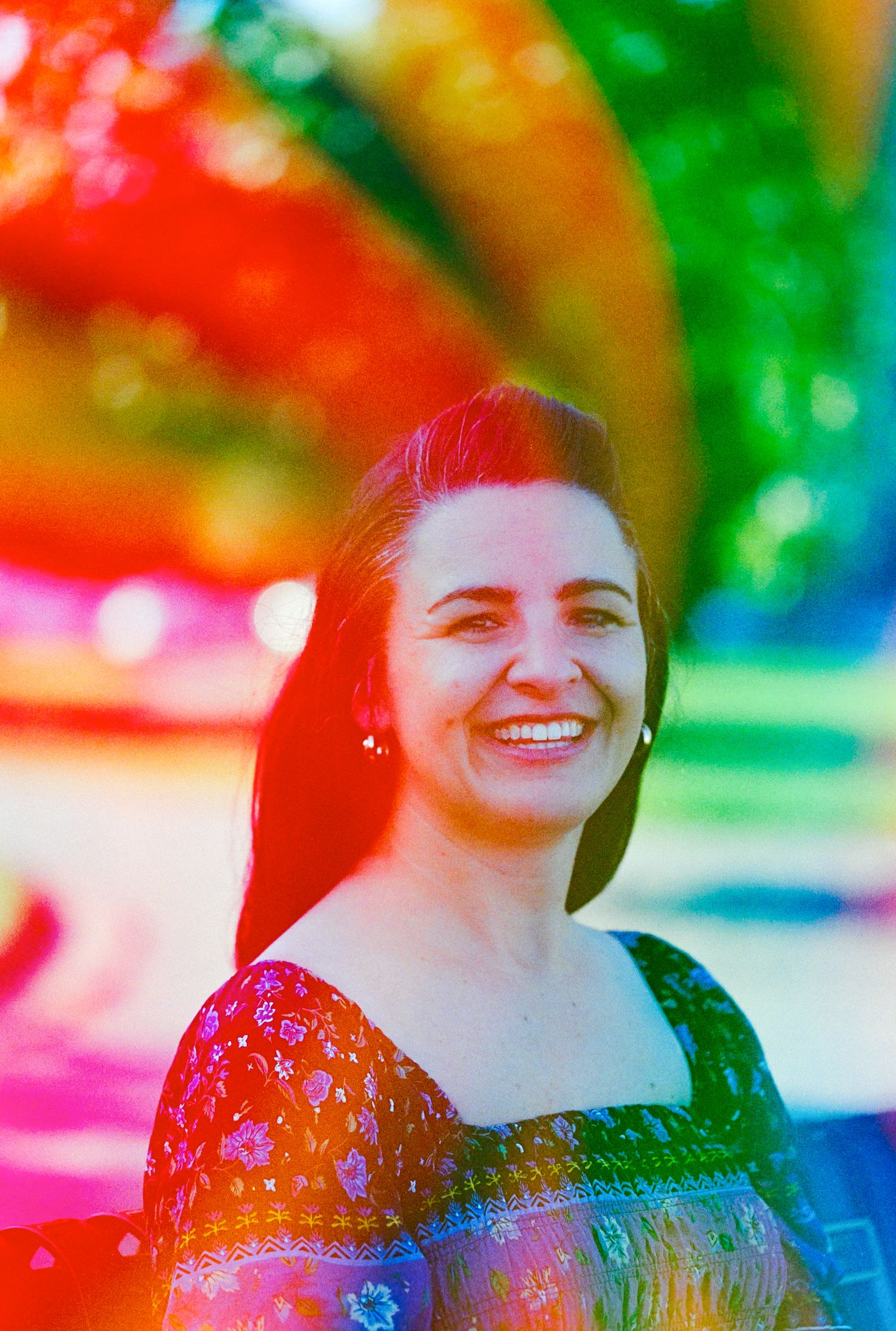
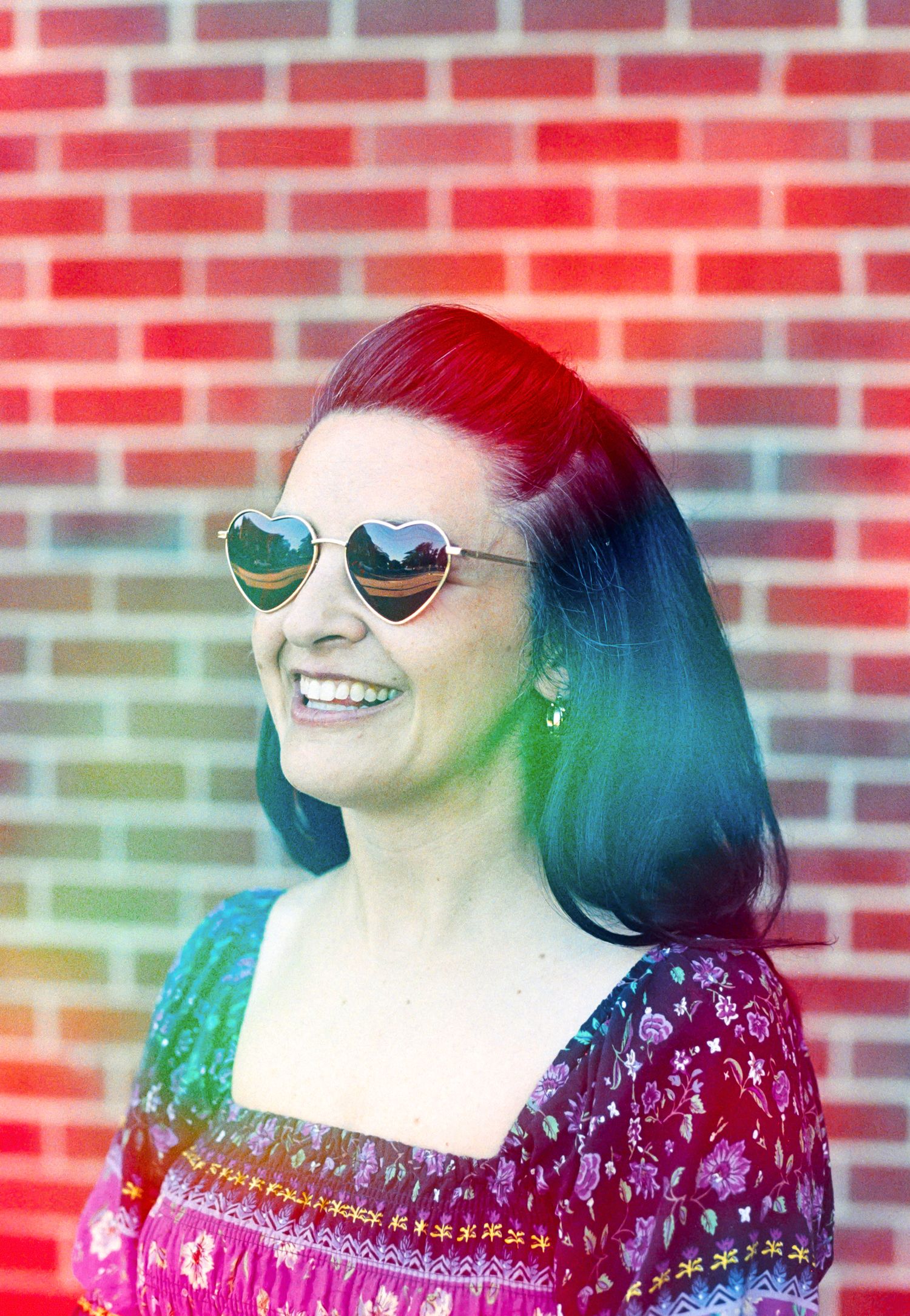
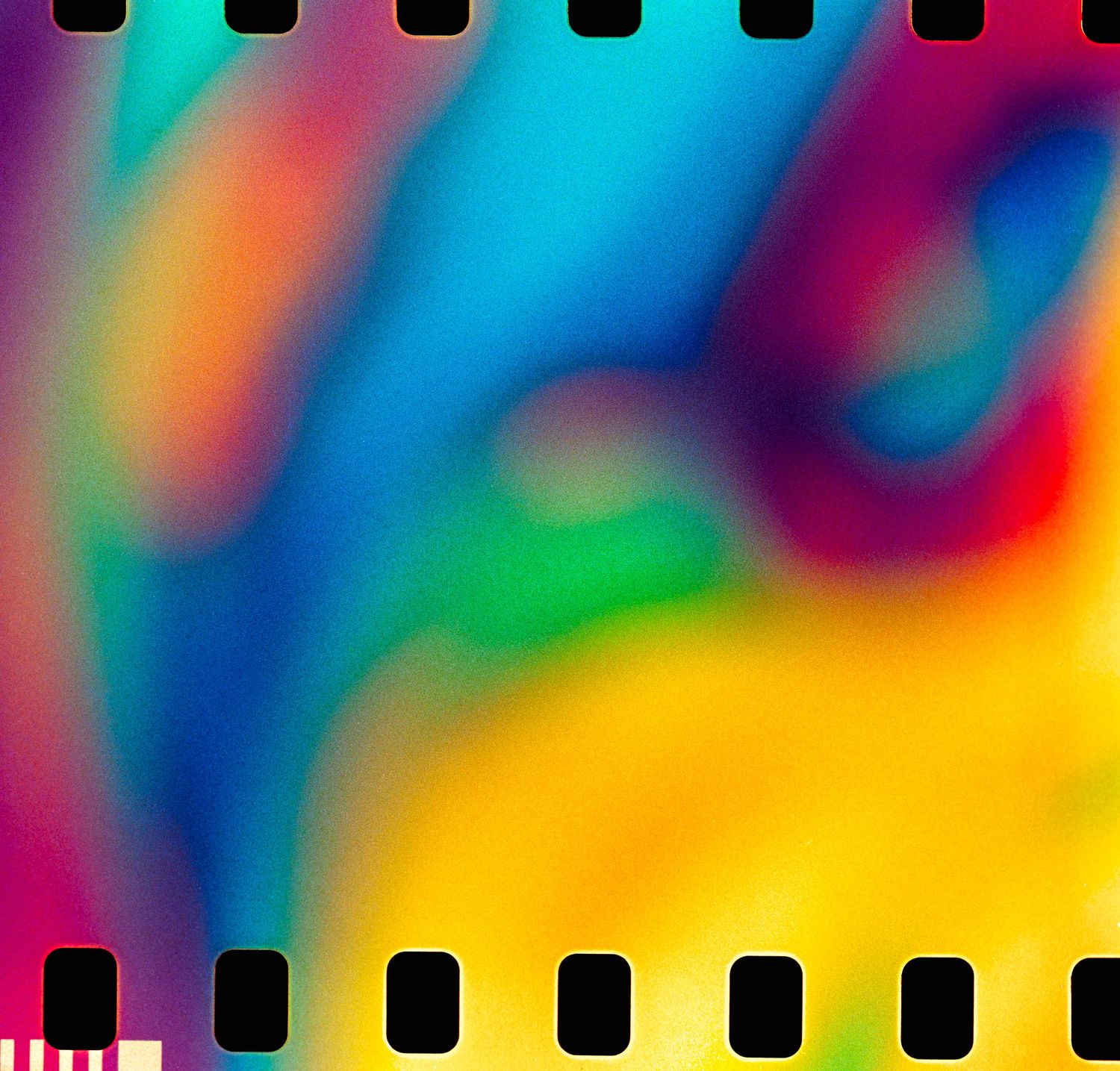
- The film is pre-exposed with a gradient of color, which according to Dubblefilm’s website, features “random color gradients that transform each image into a unique and colorful creation… Sometimes red, others orange or blue and sometimes all in one frame!”
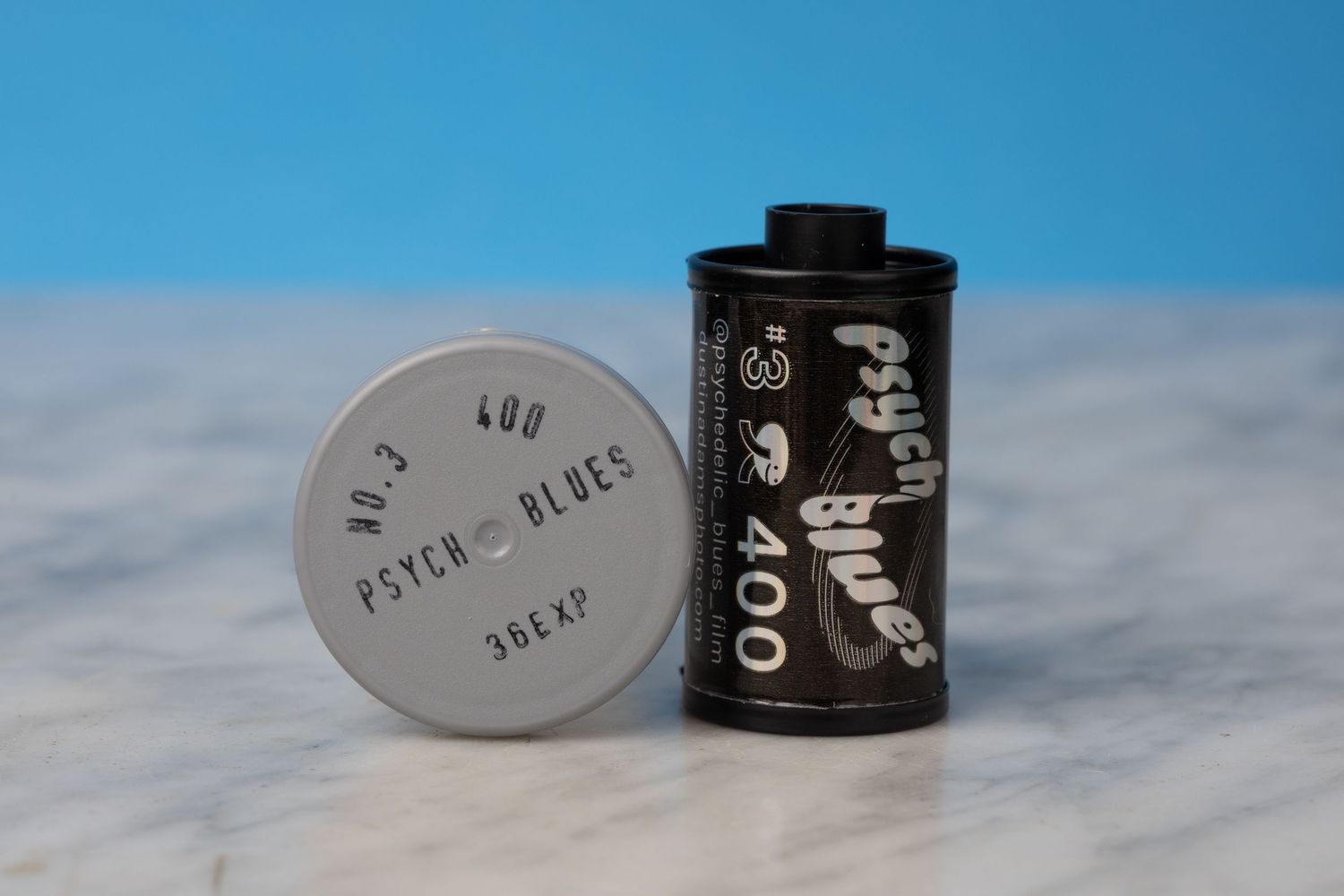
Psychedelic Blues #3
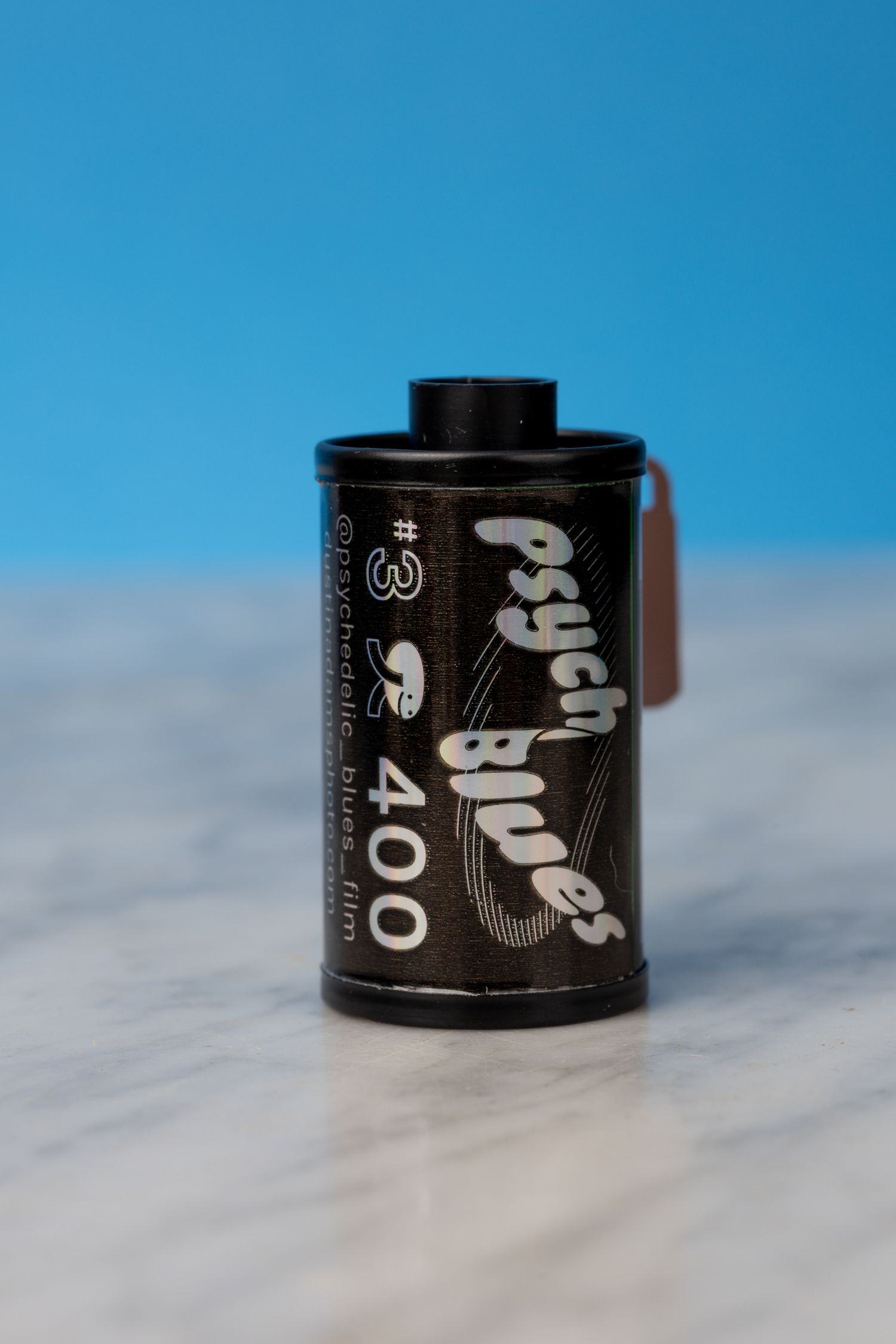
- Pysch Blues is the creation of Dustin Adams, who produces several different types of pre-exposed films using his various proprietary processes.
- According to Adams, Psych Blues’ 35mm offerings are based off of either Kodak Gold/Ultramax or Fuji 200/400. After peeling back the sticker, my roll was revealed to be Fuji 400.
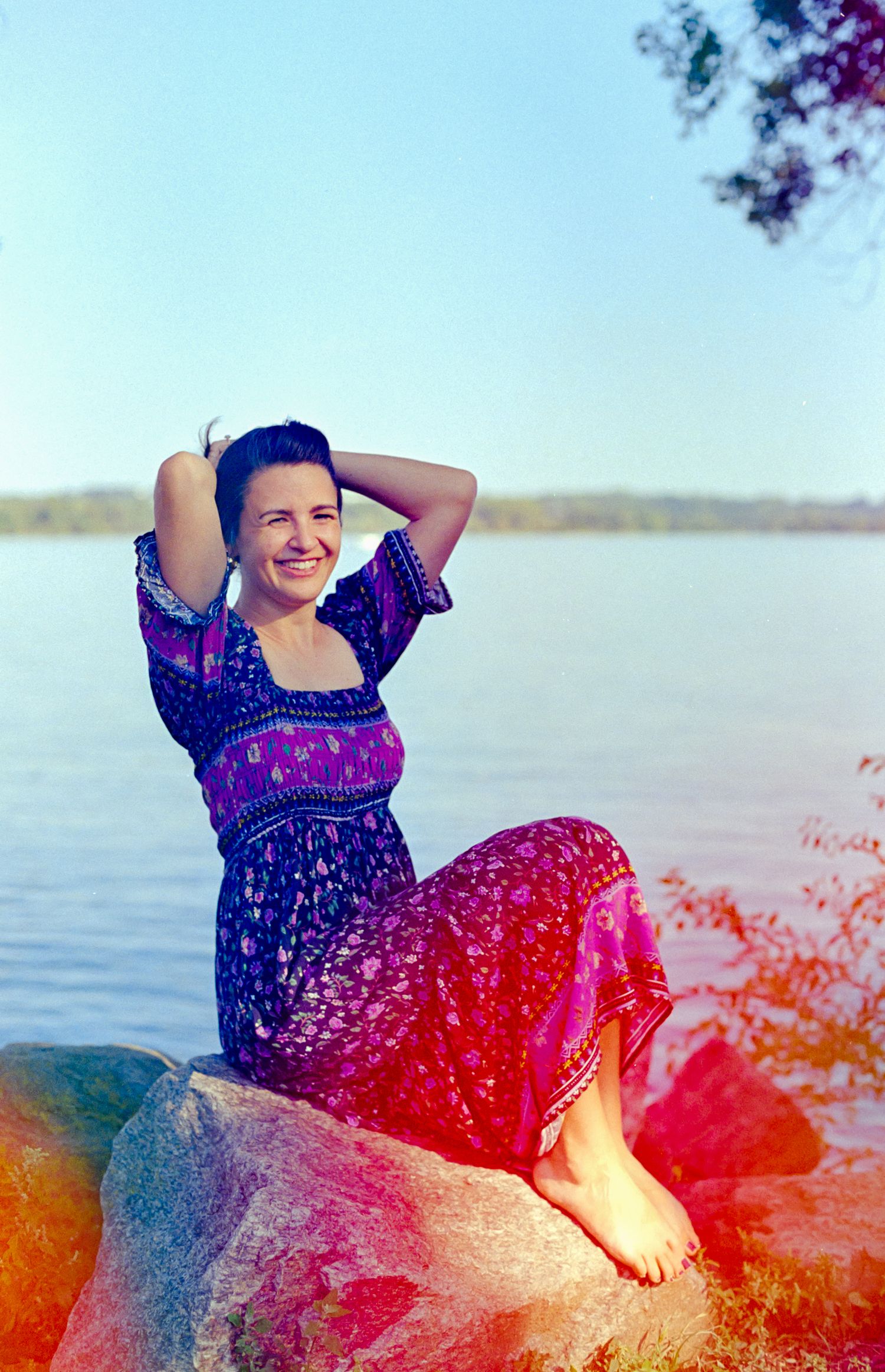
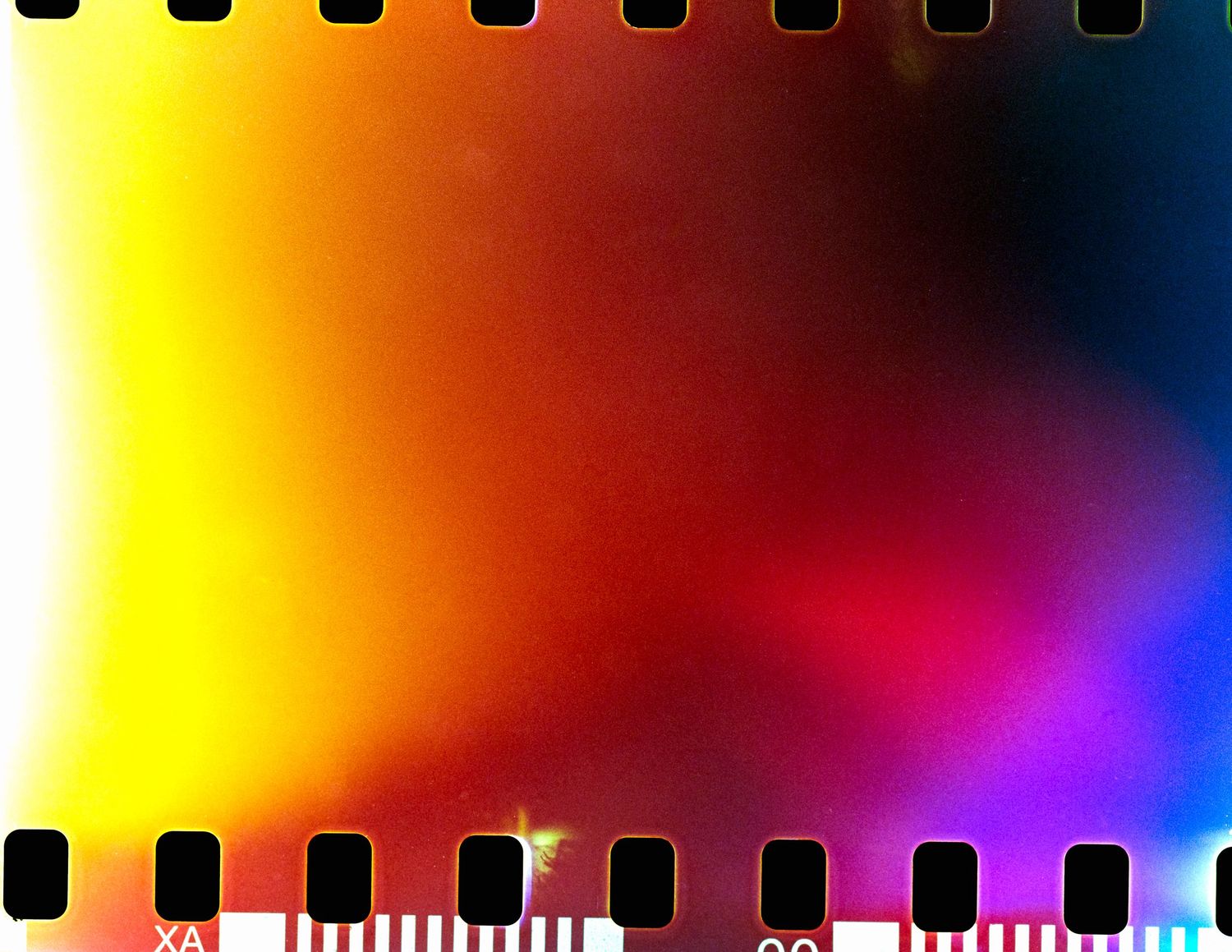
- While Adams’ methods are wrapped in mystery, the Pysch Blues website offers this description of #3: “Red, blue, purple, pink, and orange light will show up as streaks and orbs throughout the roll, and also completely dominate some frames.“
Shooting and Processing
I chose 400 ISO film for more latitude with lighting conditions. I didn’t plan to enlarge these test rolls, so I wasn’t worried about the grain. I focused on portraits because that’s what I do professionally. I shot both rolls on a Canon Elan 7s with a Canon EF 50mm f/1.2 L lens and a few shots with a Canon EF 100 2.8 L. I metered using the camera’s partial metering mode, and had it set to over-expose everything by half a stop (which I typically do with film).
Since both rolls are only pre-tinted with light and not chemicals, they are fine to be developed using a typical lab’s C-41 set up. I used my favorite local film-developing shop in Northern Virginia, Photo 60, for processing and scanned the negatives myself using a Canon R8, EF 100 2.8 L, and the Valoi Easy 35. For conversion software, I used Negative Lab Pro with some additional adjustments in Lightroom.
Results
Psych Blues #3
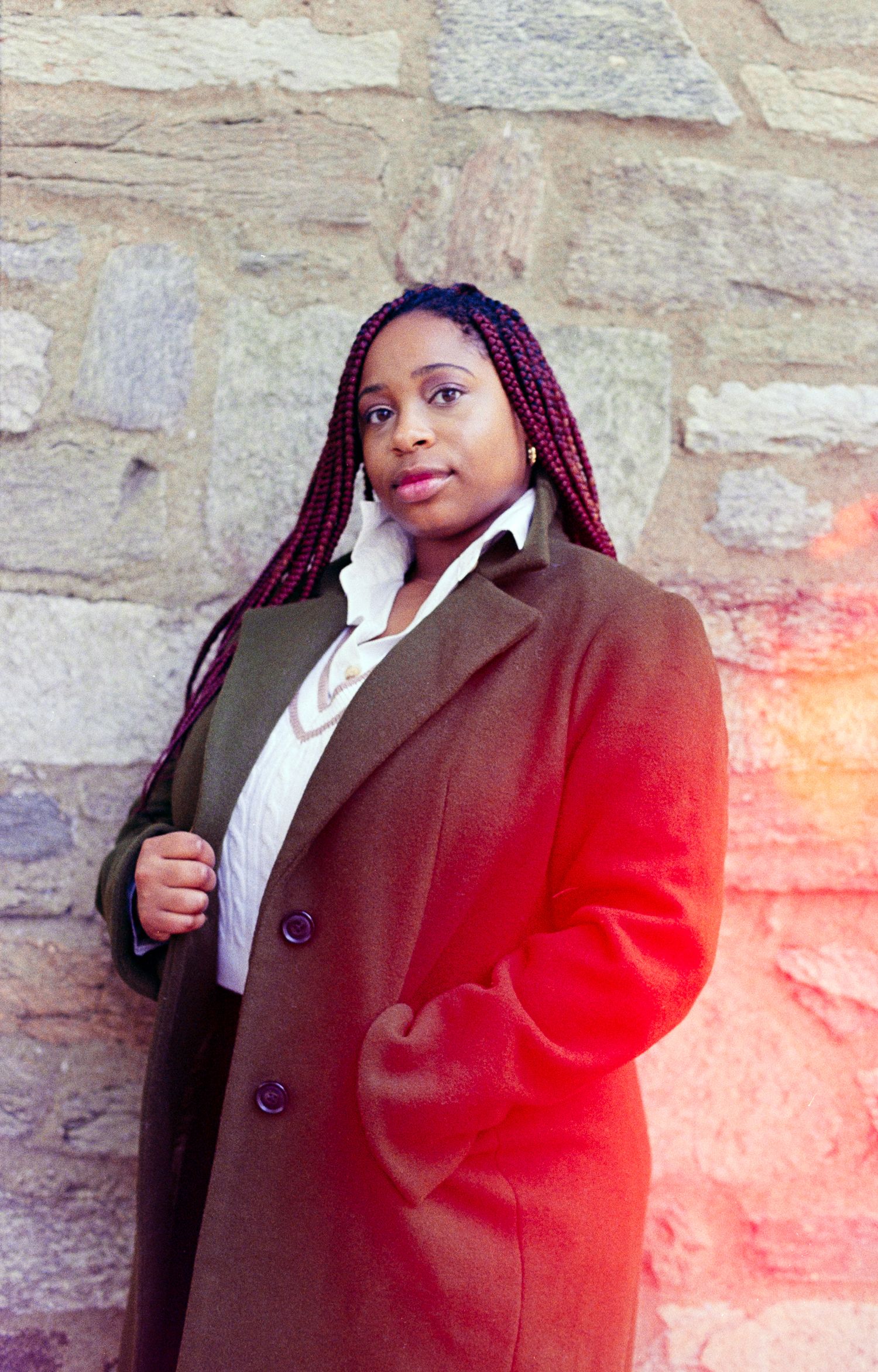
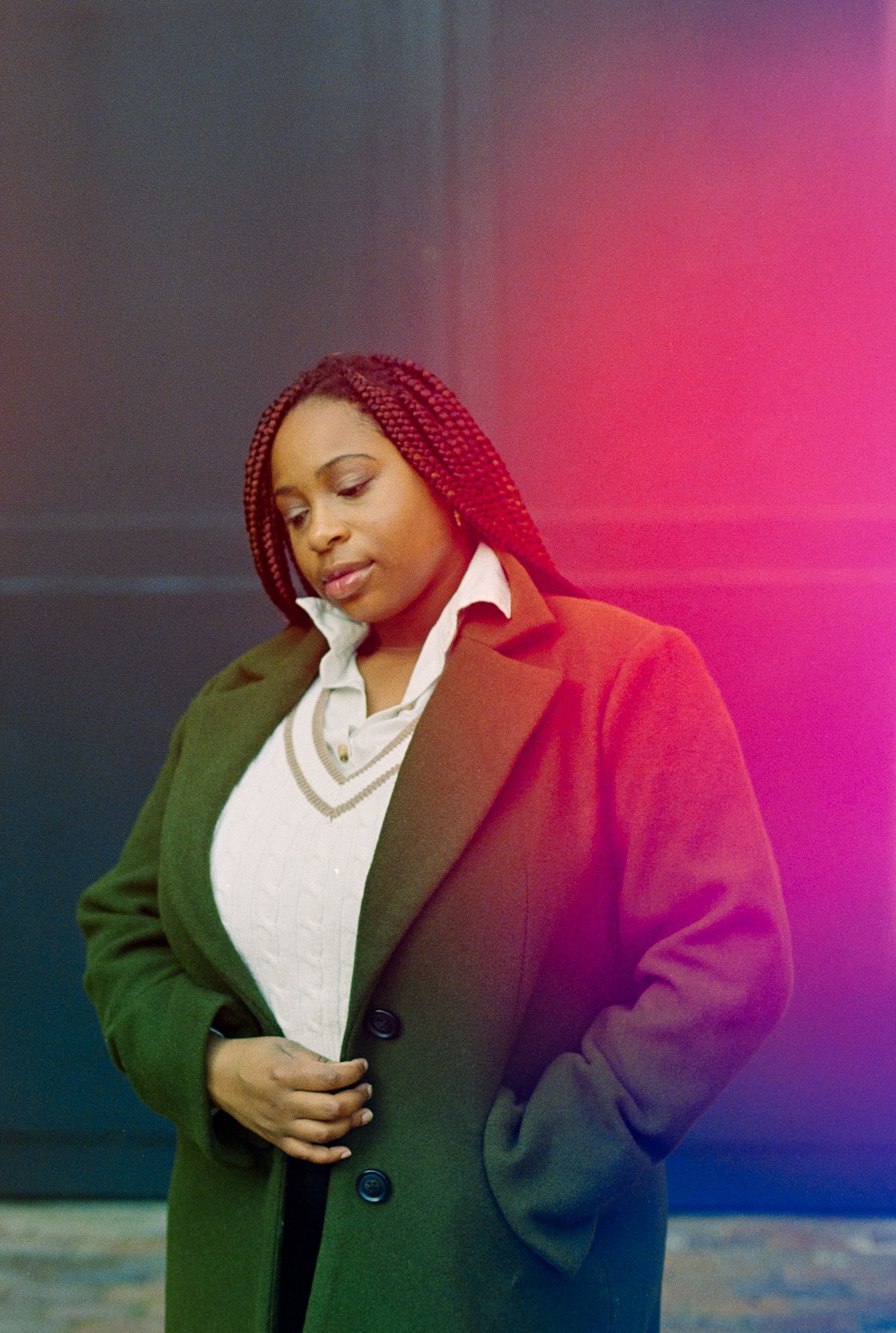
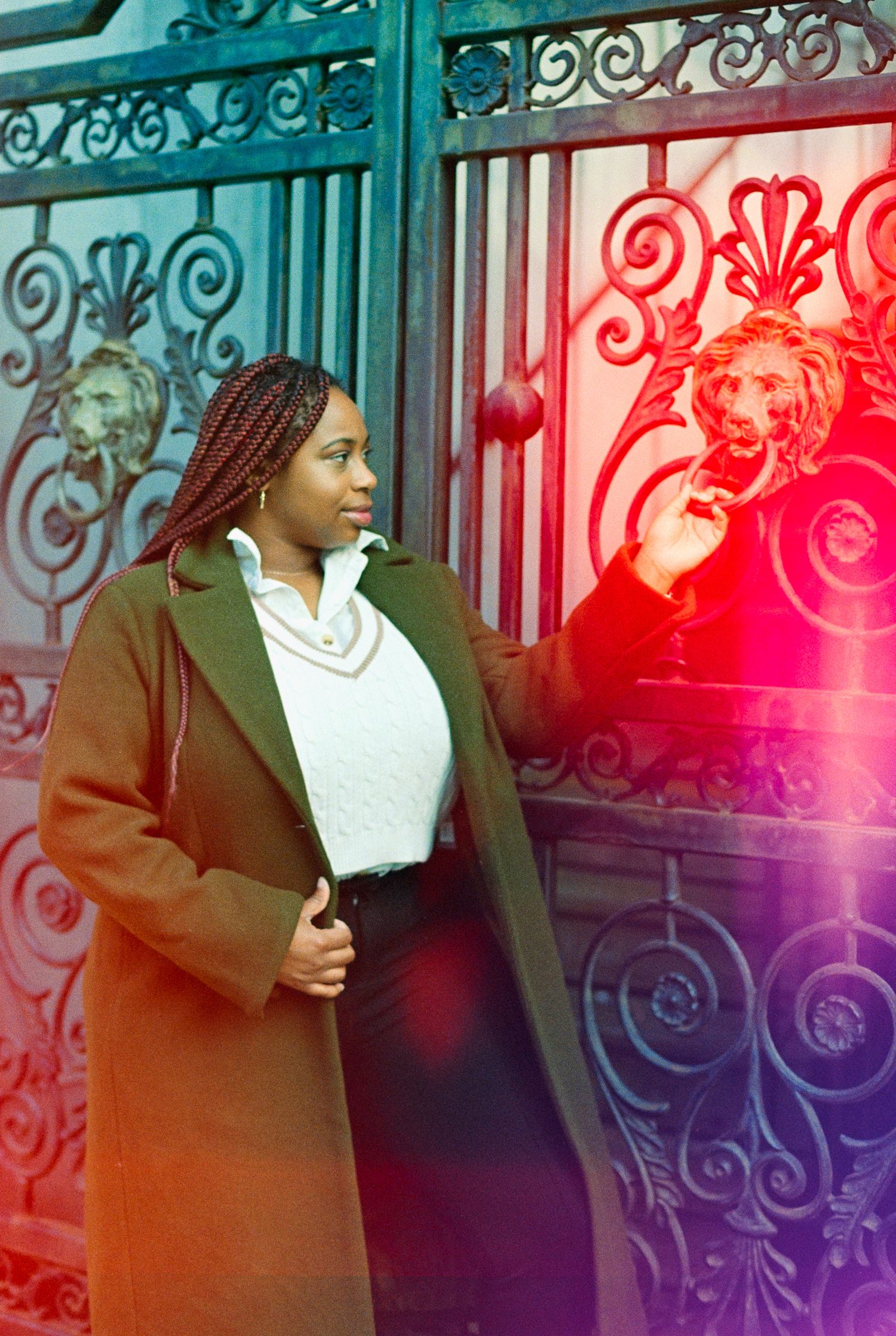
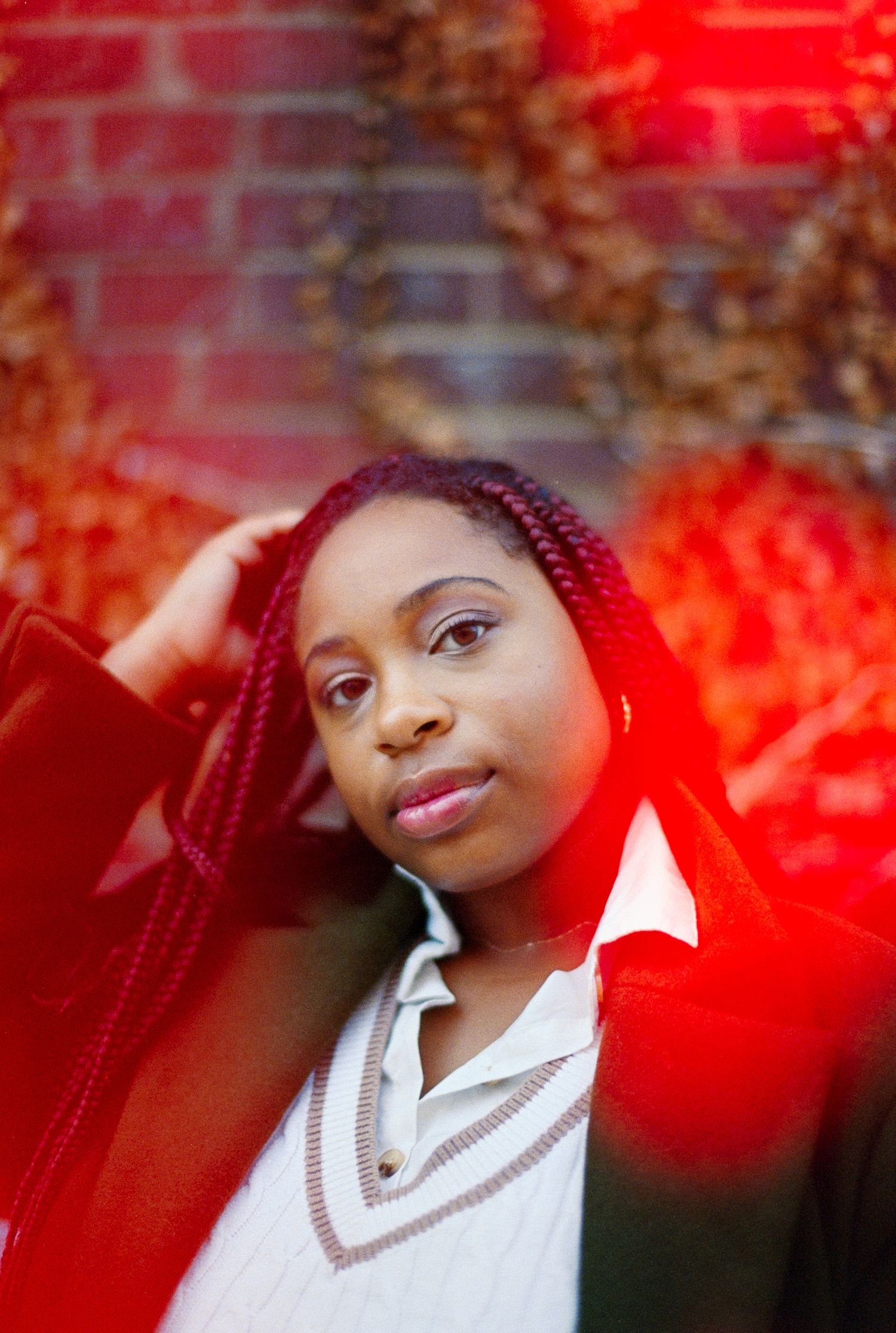
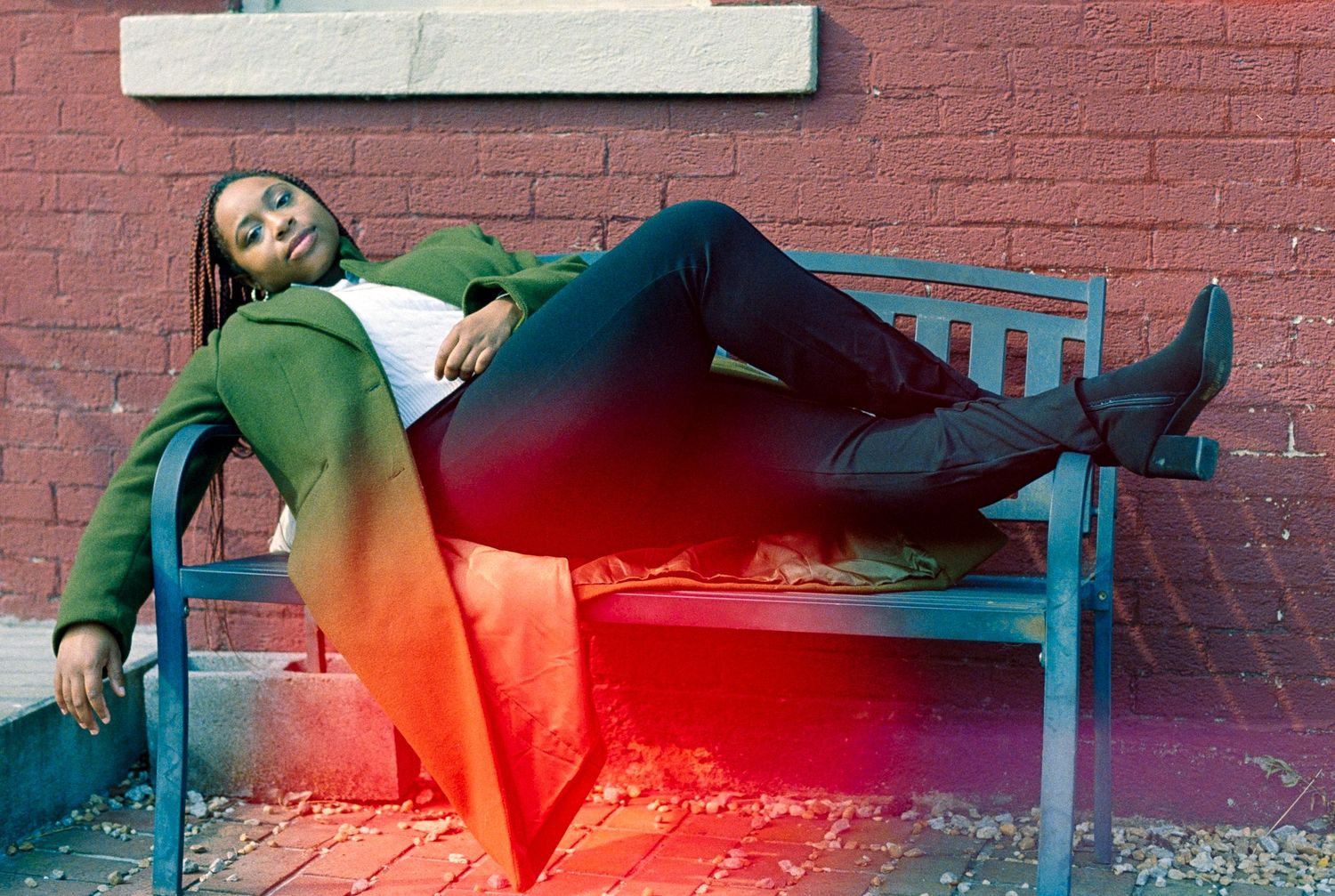
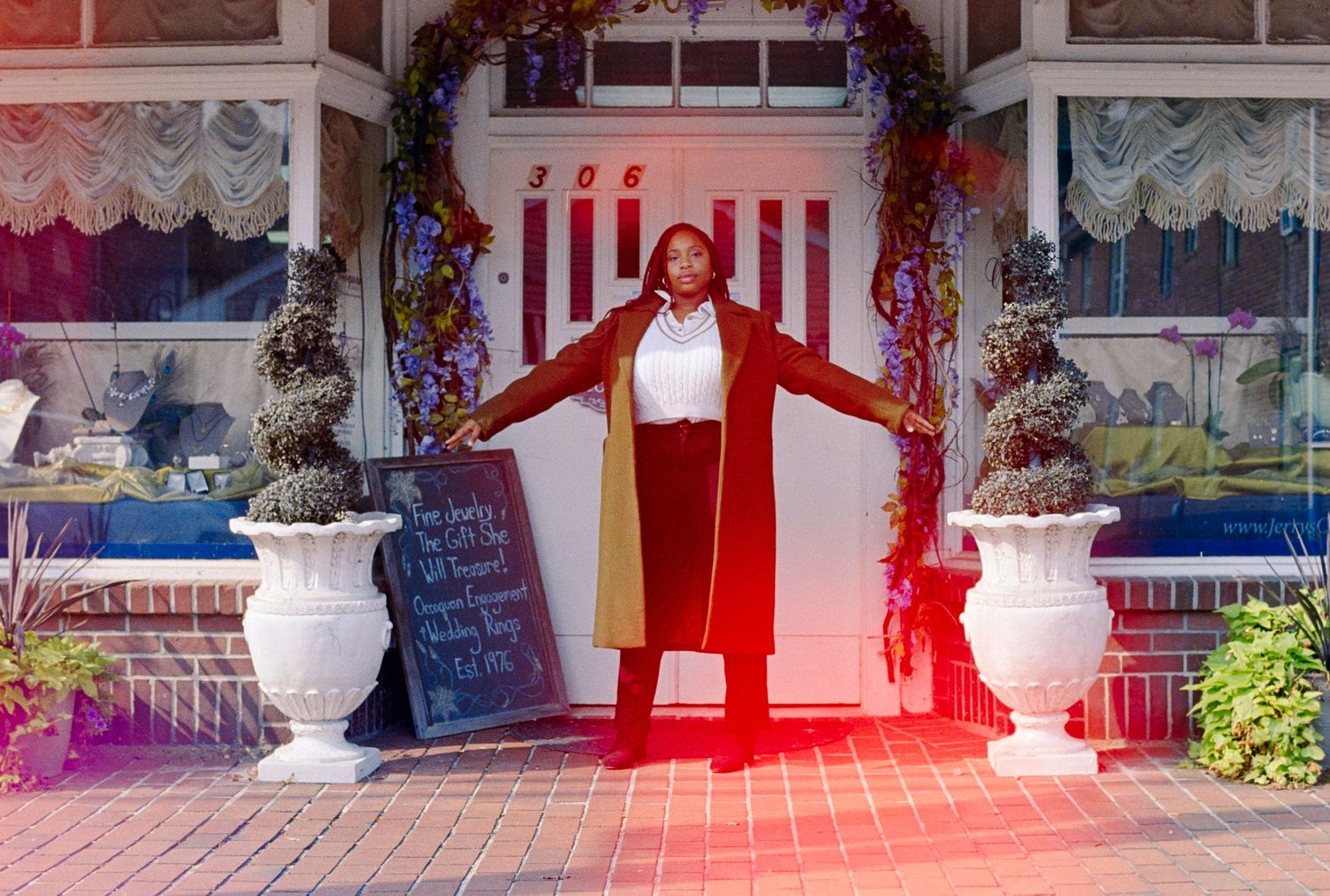
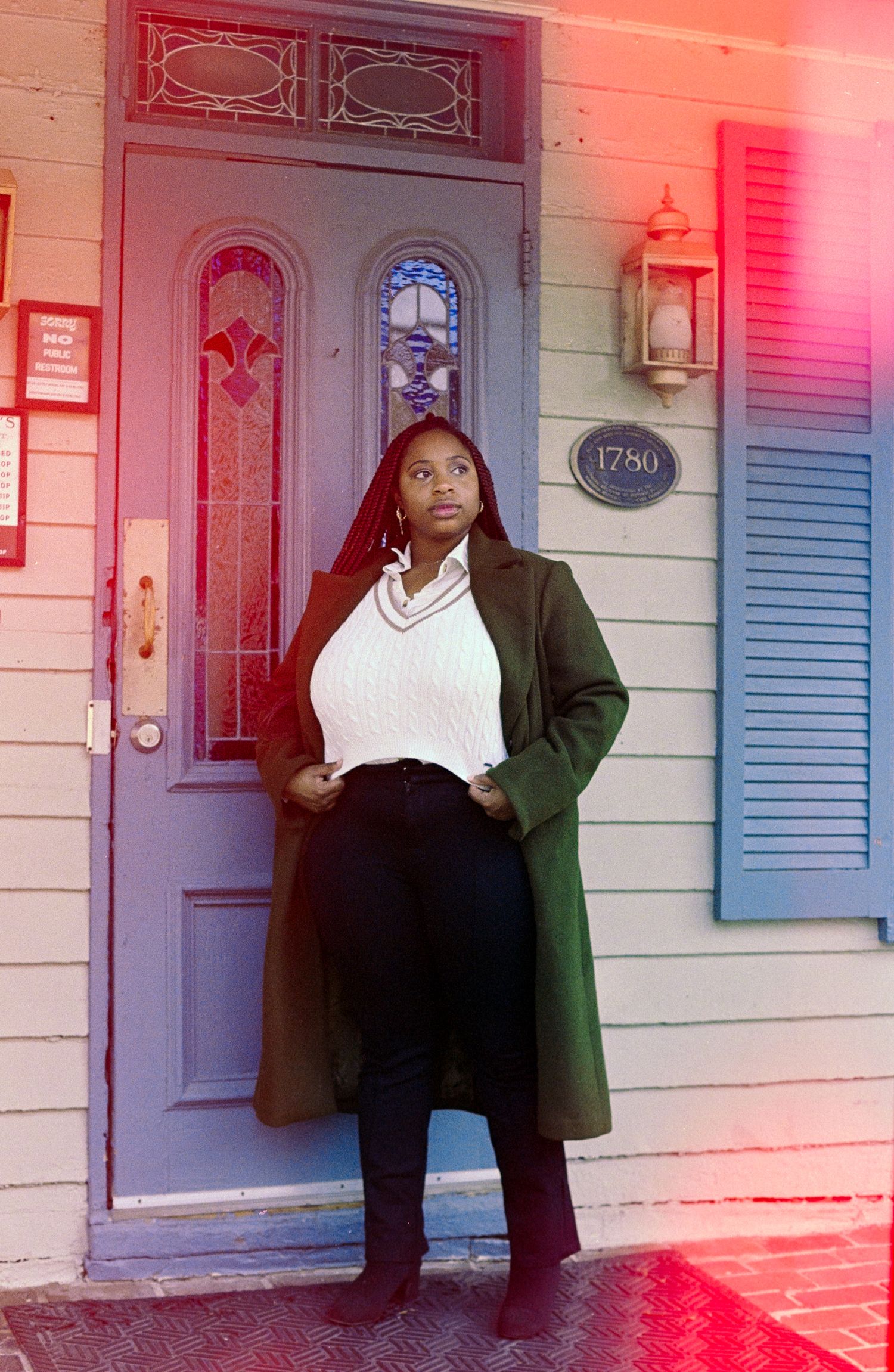
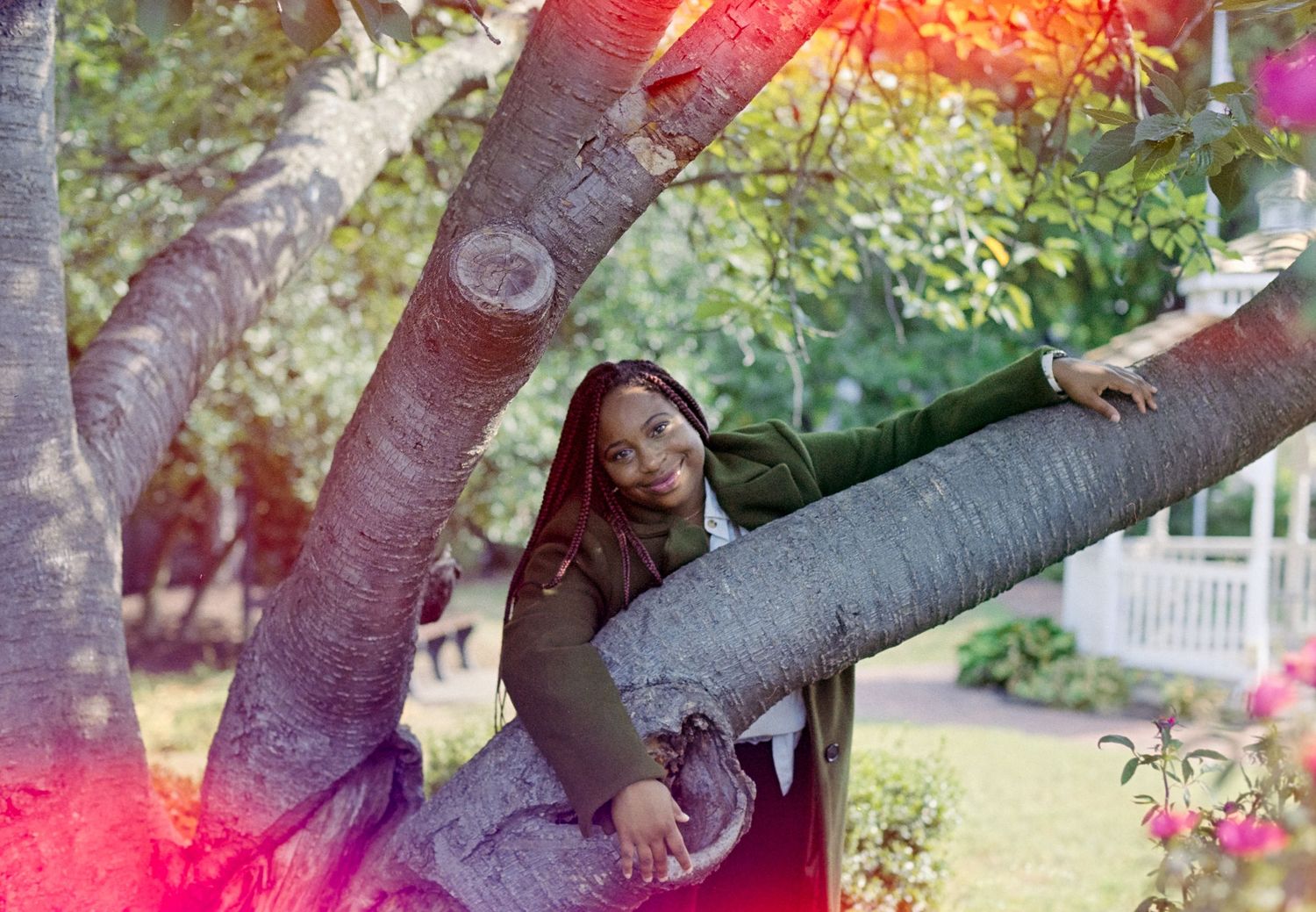
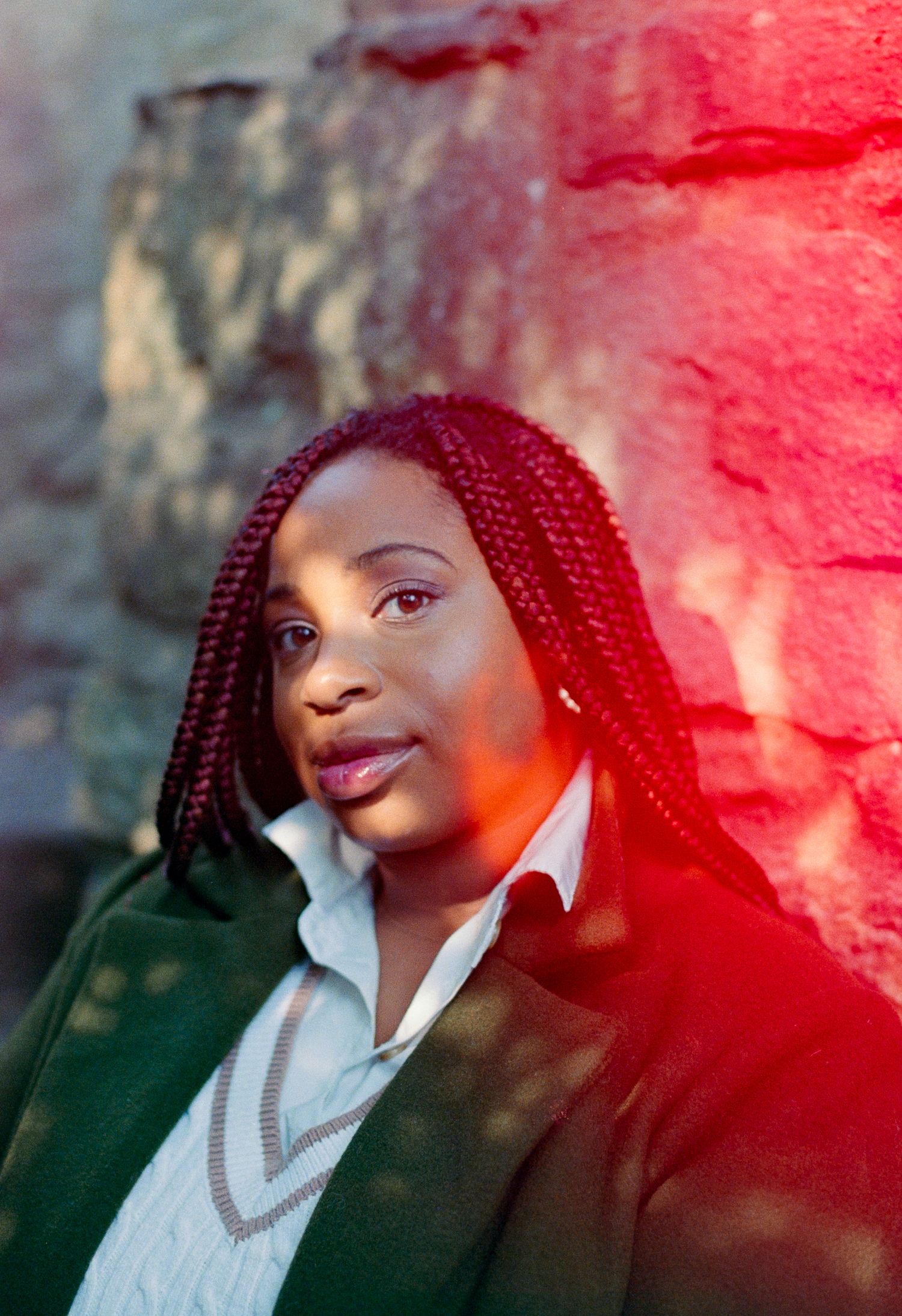
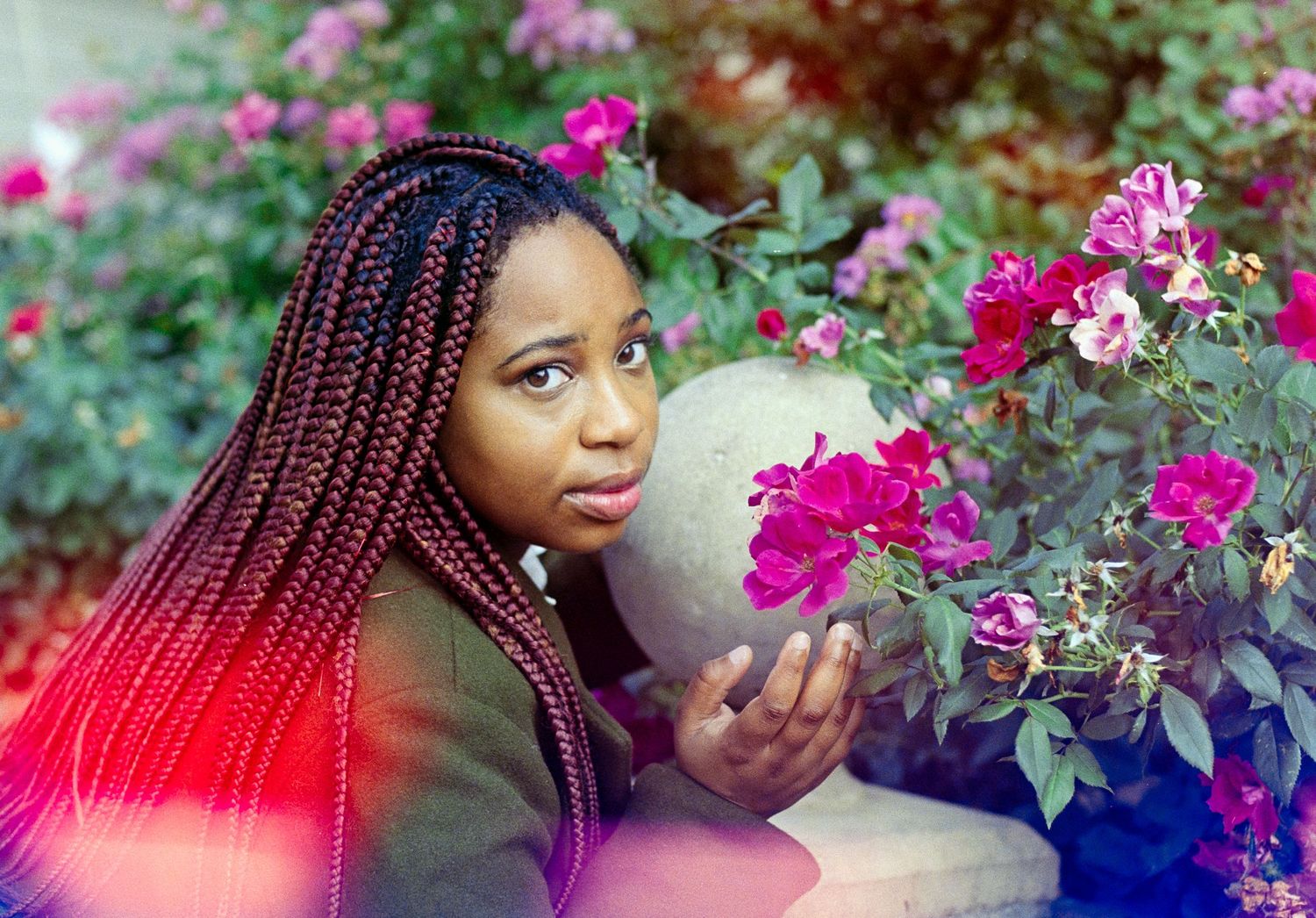
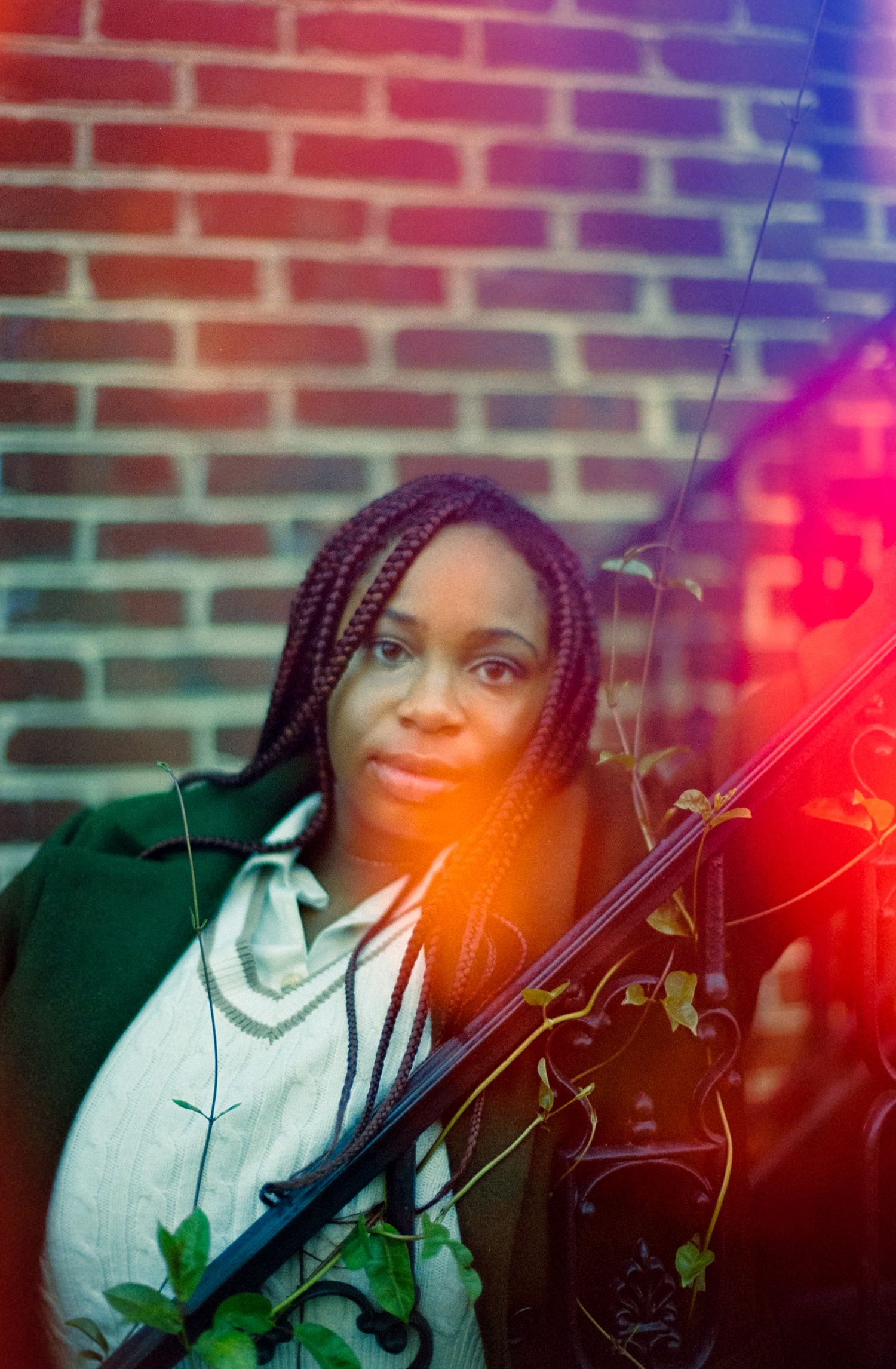
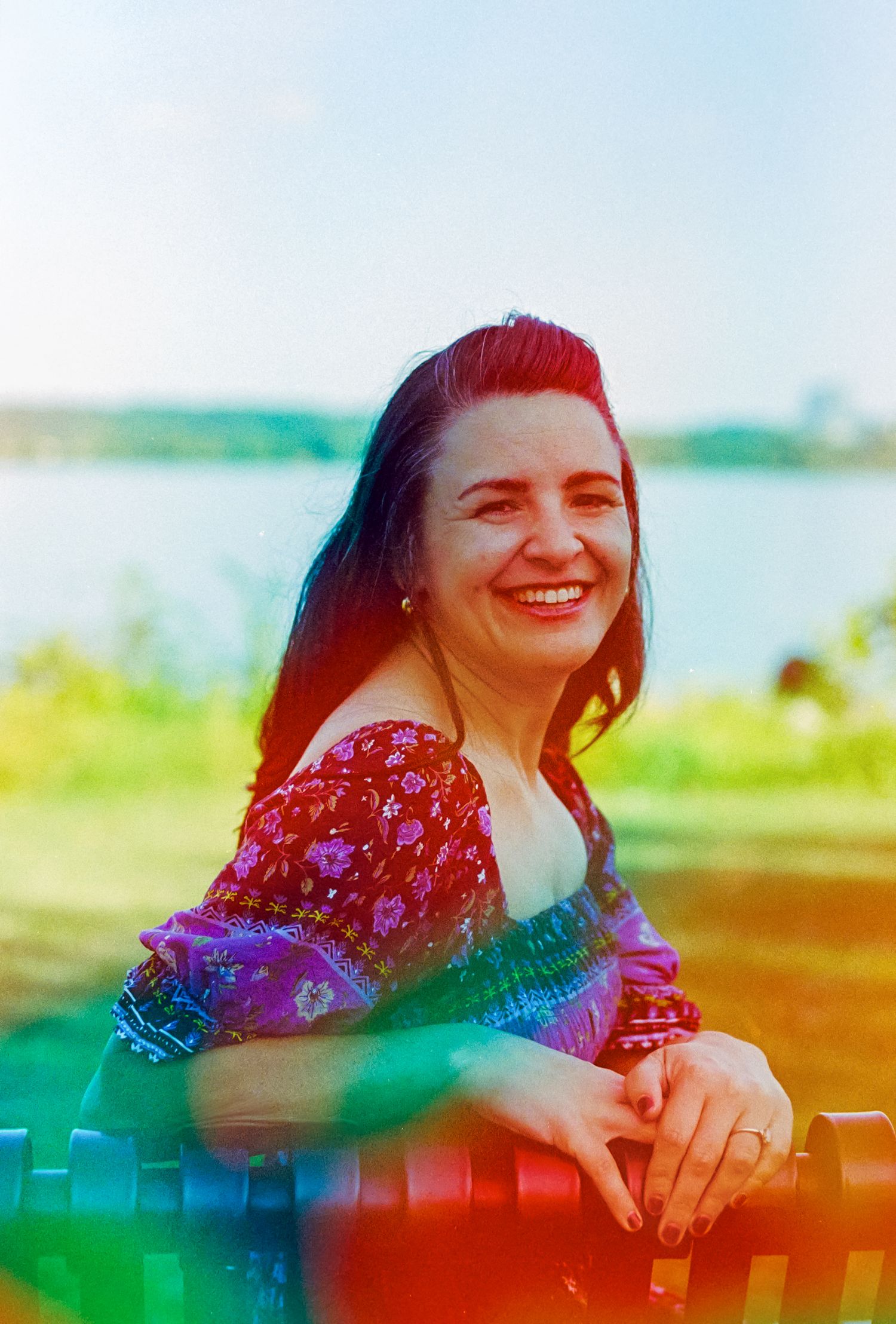
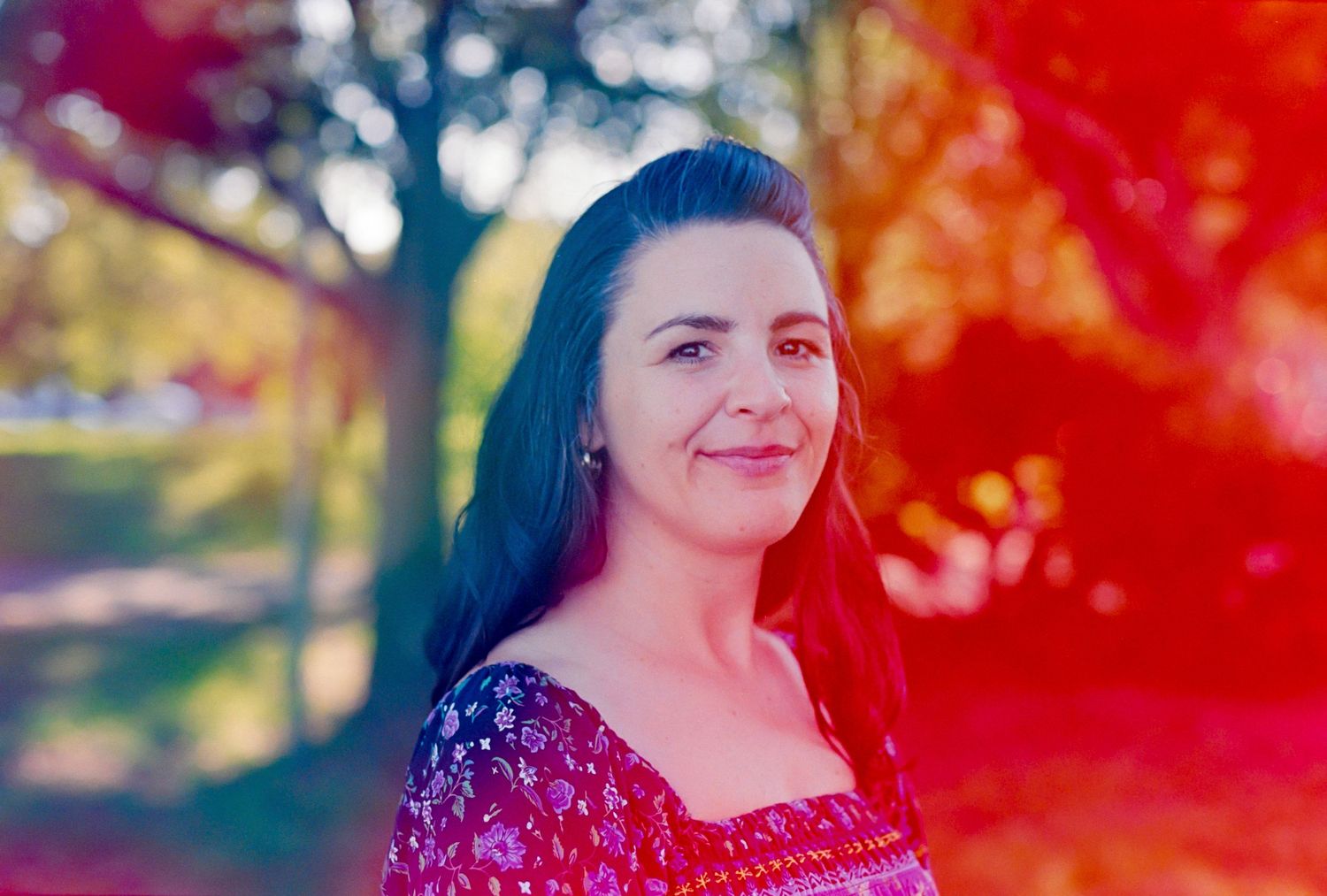
In my images of Psych Blues #3, I had many blobs of orange/red with some areas of purples and blues scattered throughout the roll. There’s nice variety among the images, and while the color patches are bold, they’re still understated enough to let the image come through.
Some samples I see online have a wider variety of colors; this is likely due to several factors including exposure, scanning, post-processing choices, and the actual pre-exposure itself. I also noticed that in many examples I saw around the internet, the images look fairly washed out, which could potentially be from lab scanners not knowing what to do with the big blotches of color. Or maybe people just under or over exposed their images. Either way, my self- scanning seemed to help with the washed-out look, or, again, maybe I just exposed my images more accurately.
Overall, I’m pleased with the results. Of the 36 frames, there are plenty that still feature a clear view in the center of the frame for the subject, a helpful feature for portraiture or for whatever you choose to shoot. The negatives were easy to process with Negative Lab Pro, and I found my standard workflow for film to work well here.
Dubblefilm Jelly
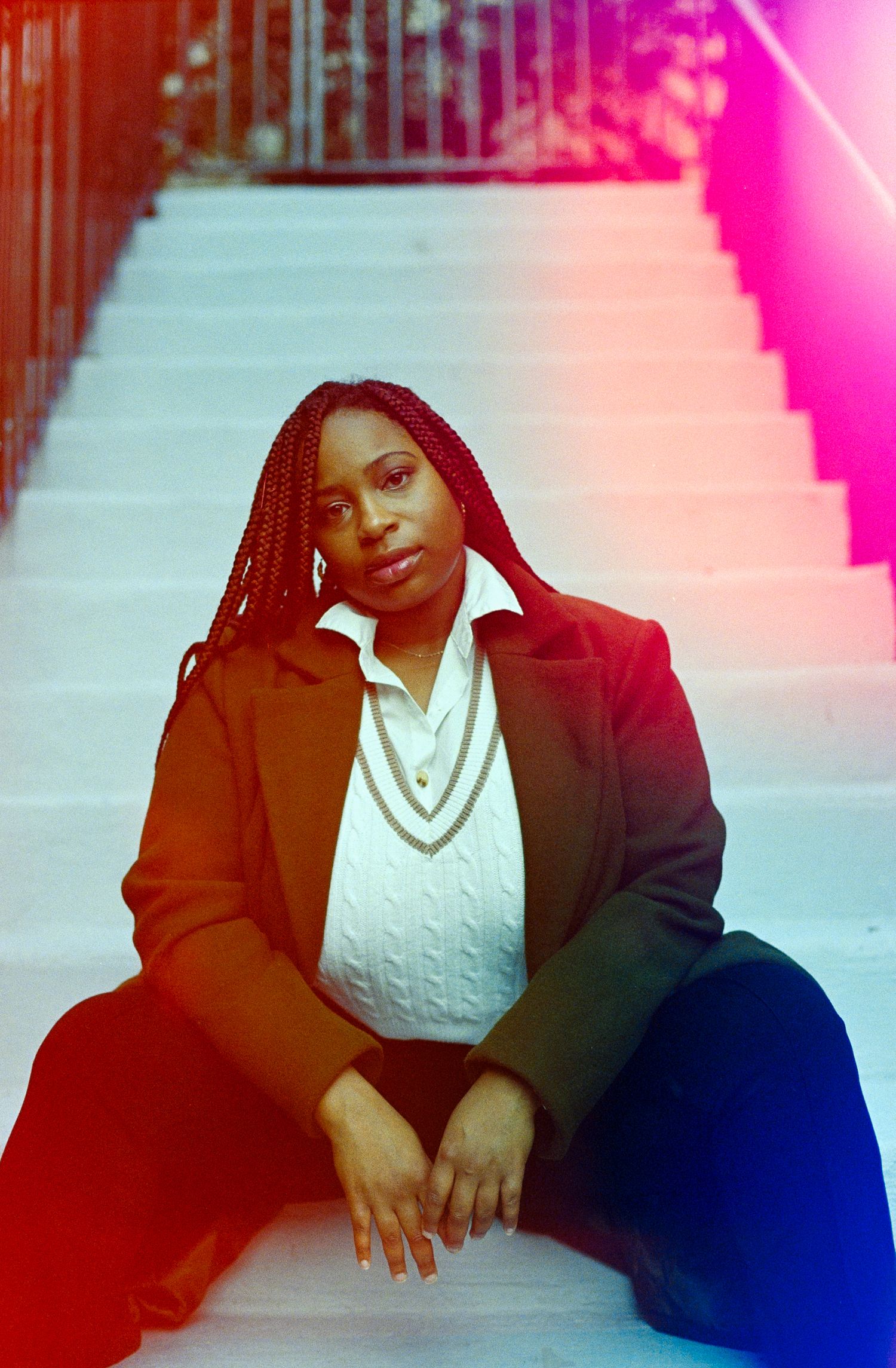
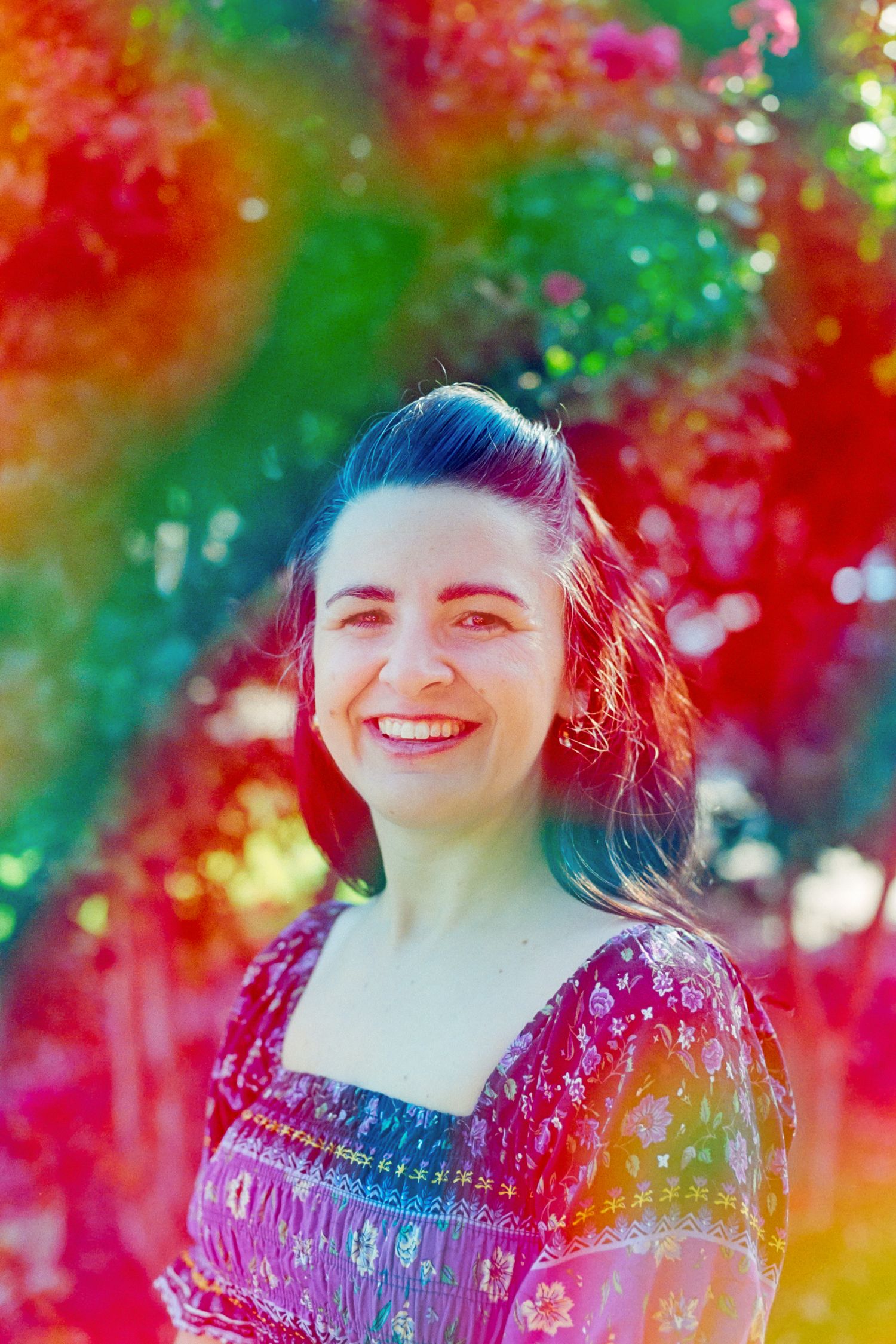
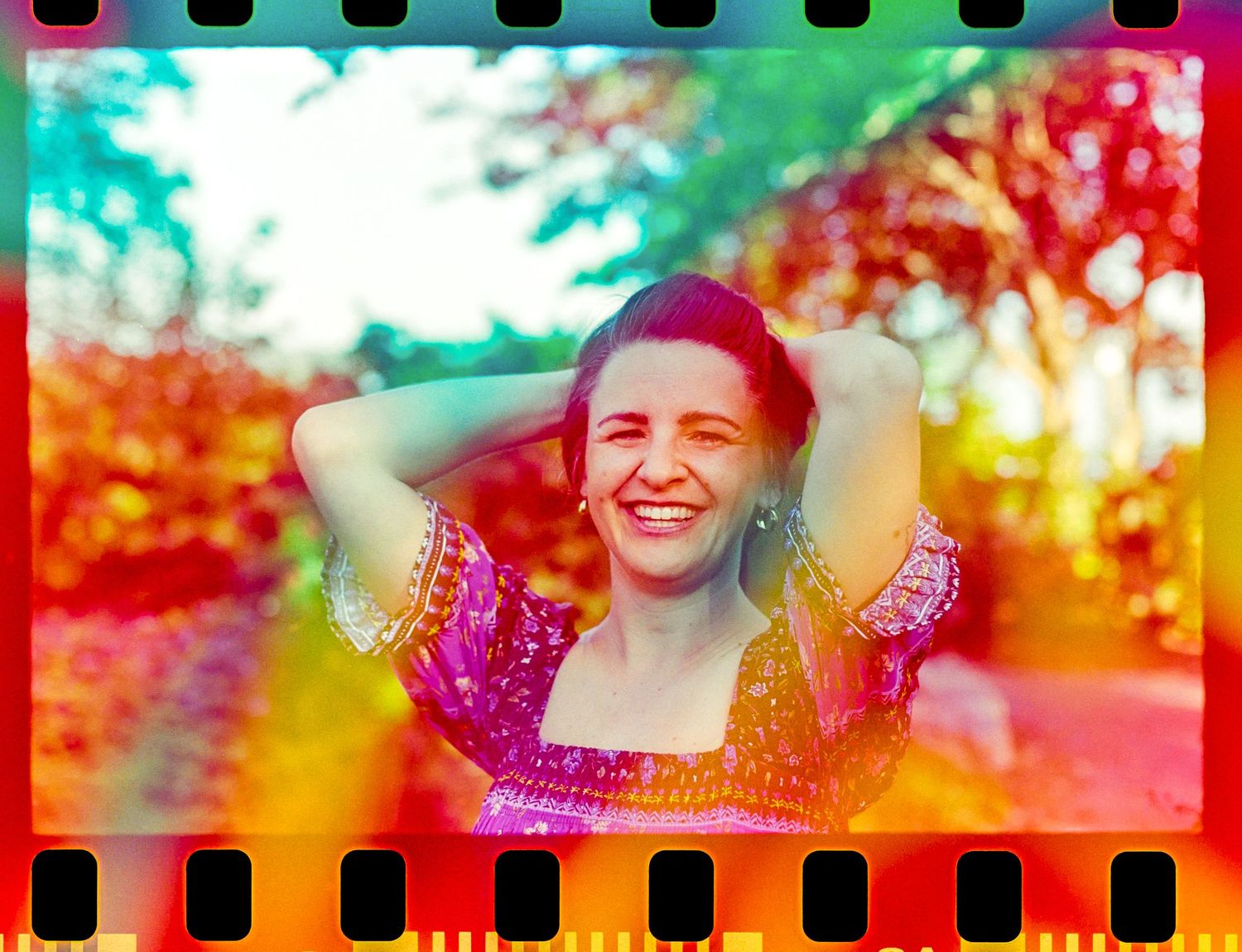
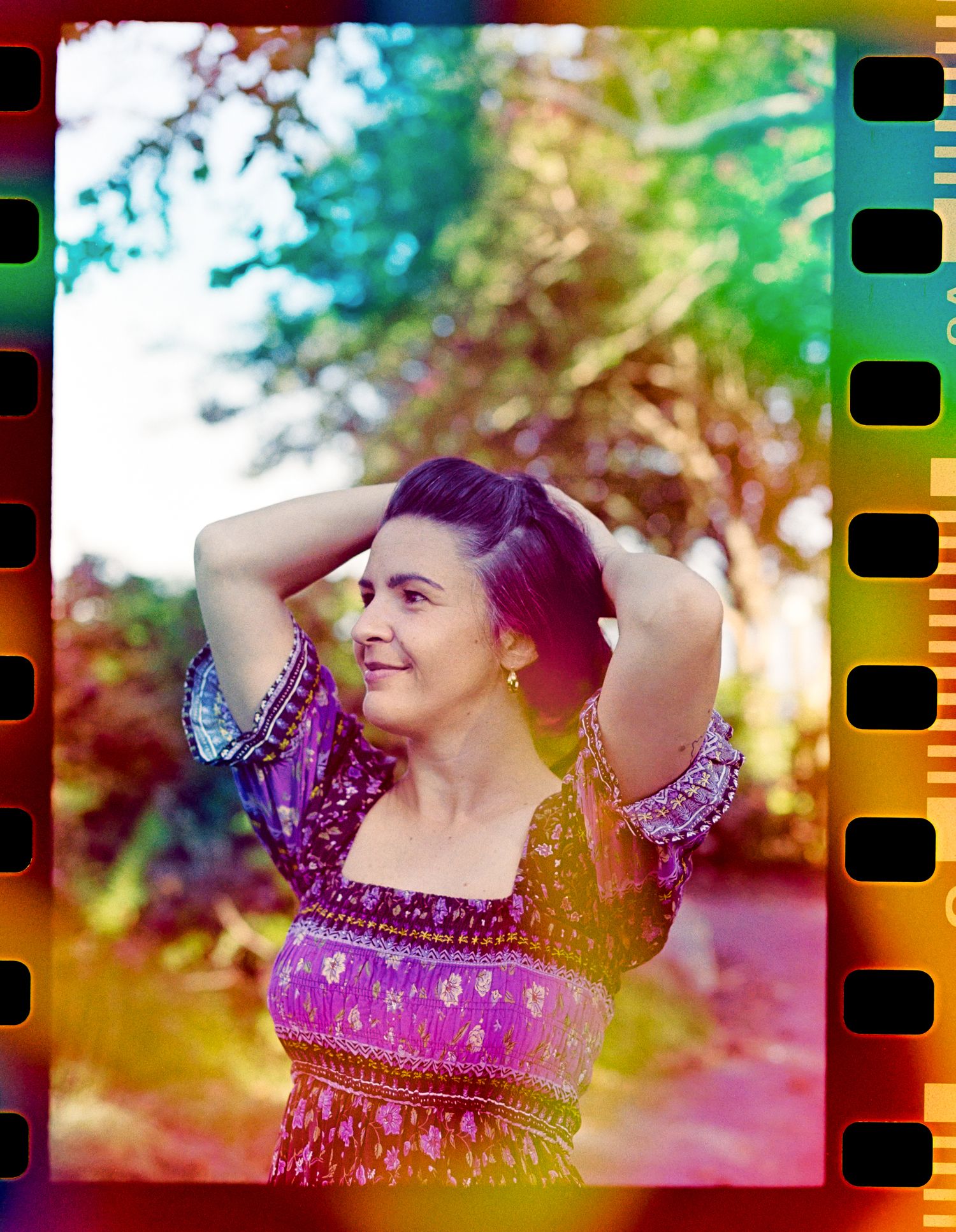
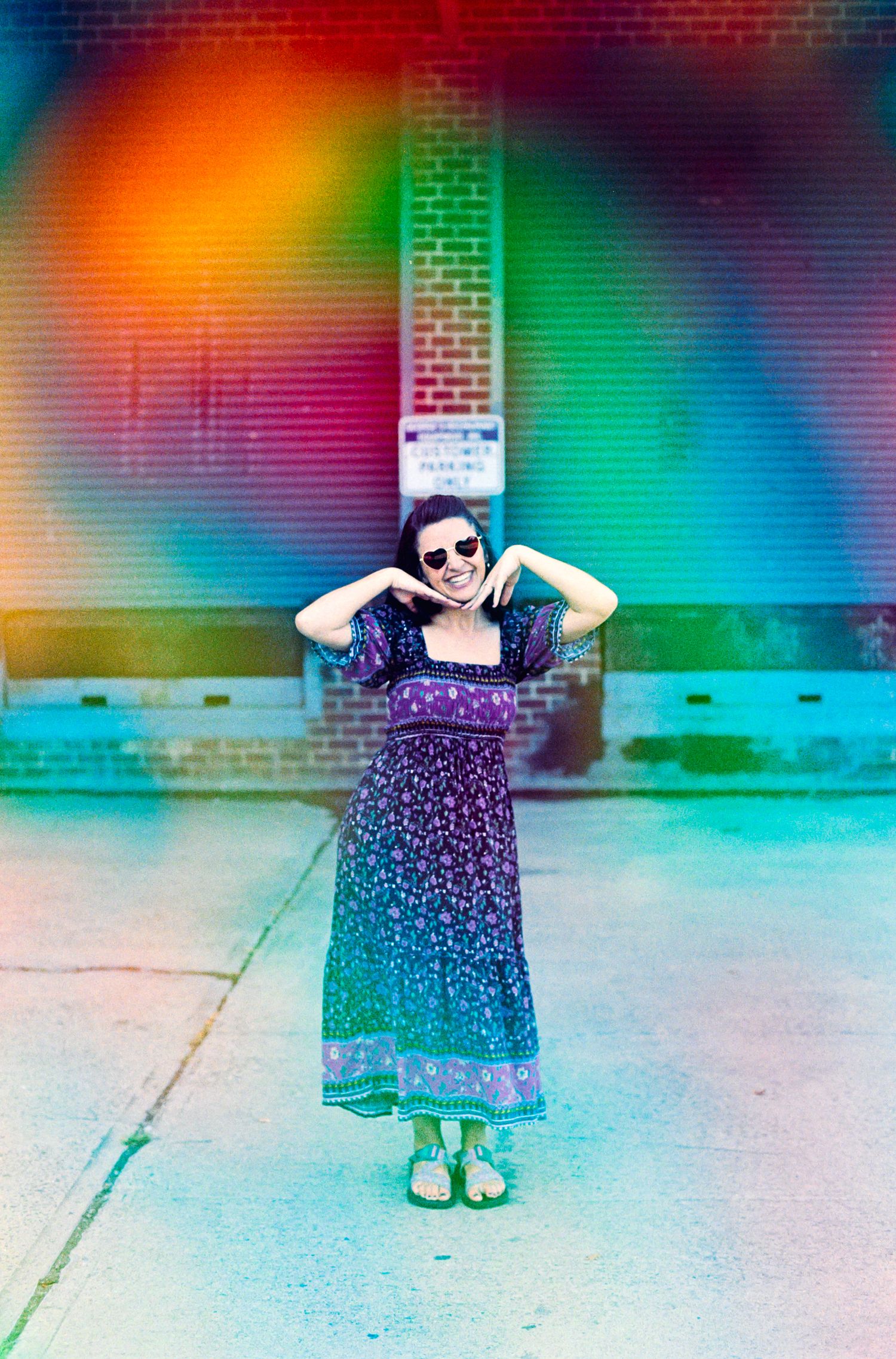
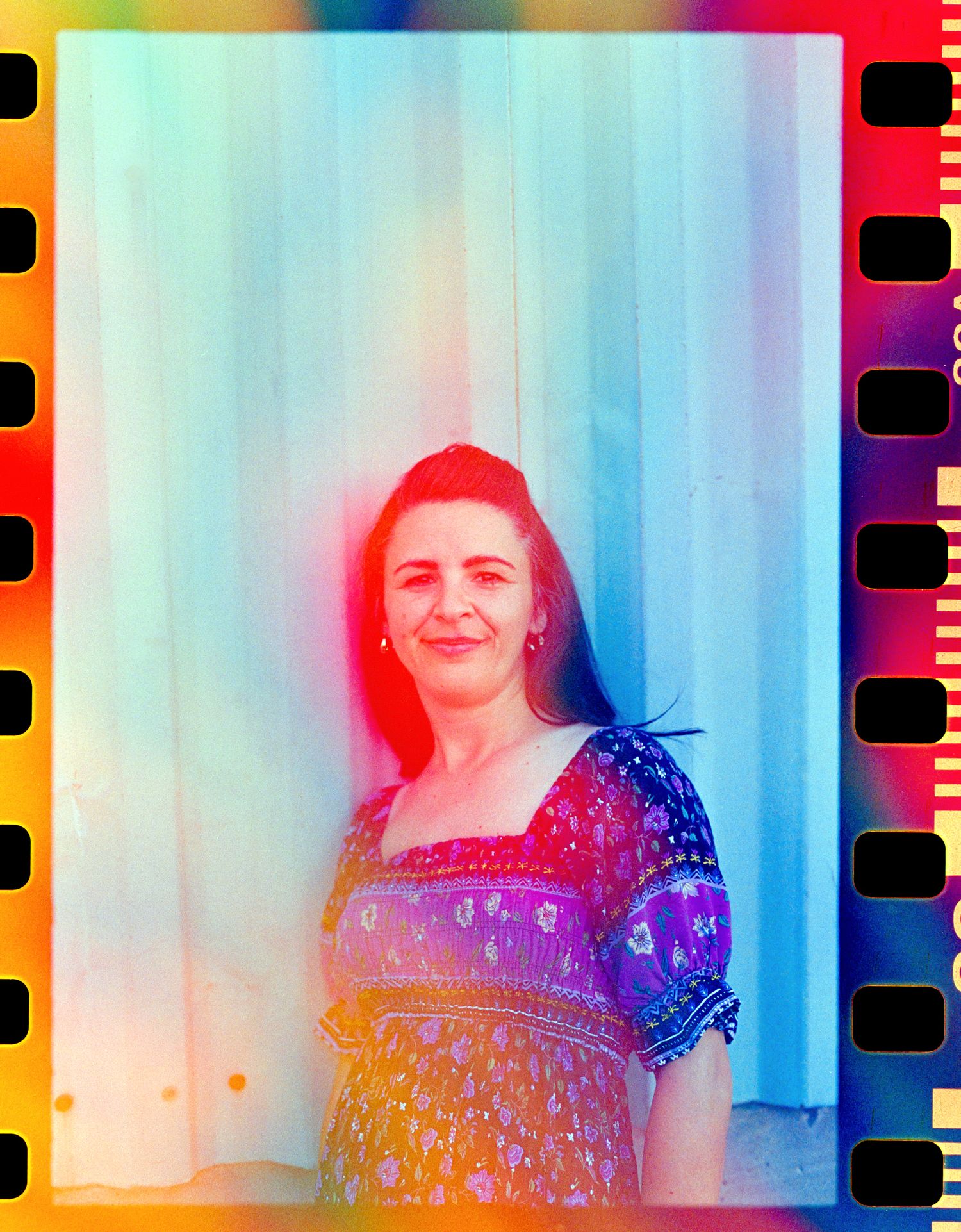
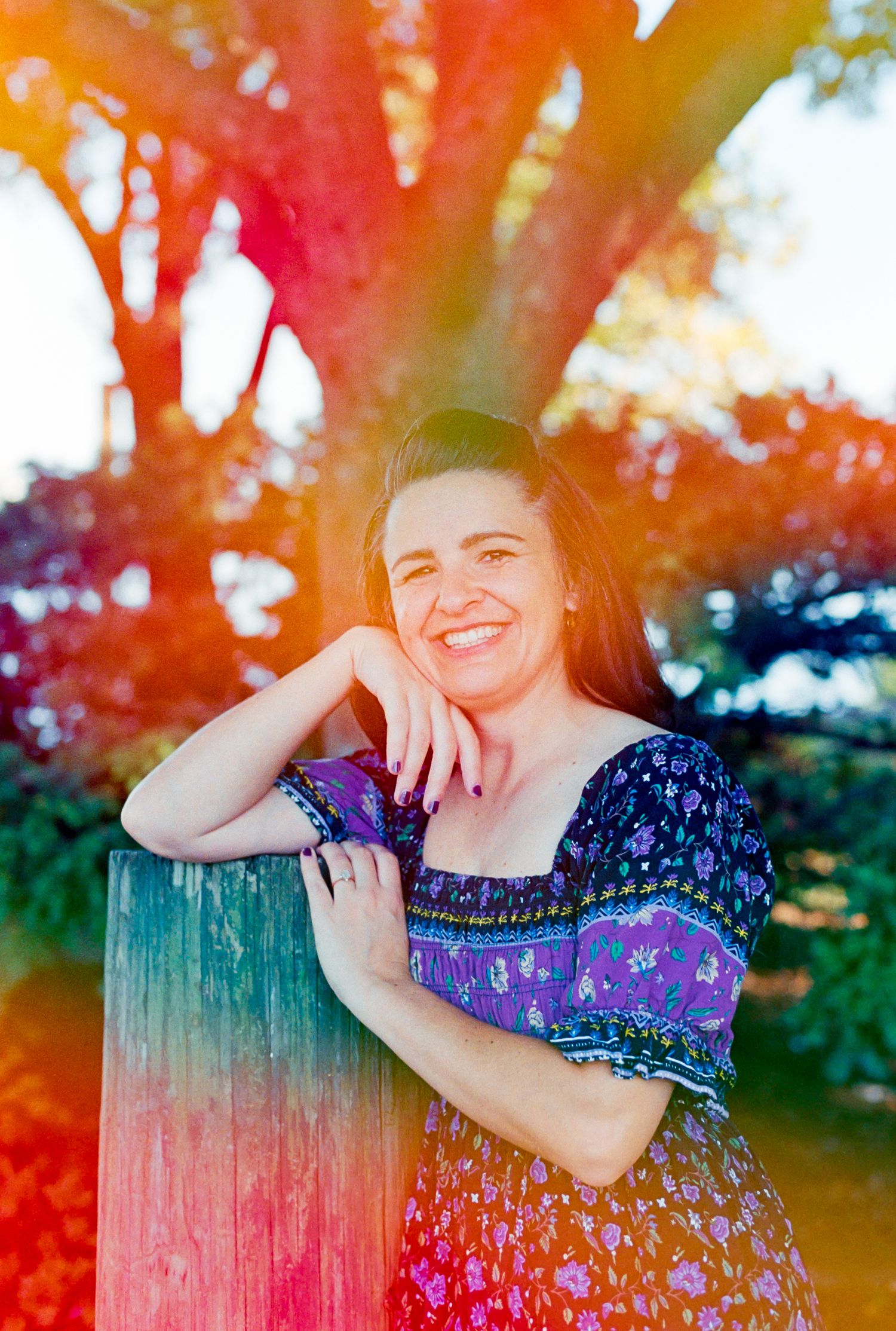
Jelly is a rainbow explosion. The tinted effect is far more widespread over an image and indeed throughout the roll than with Psych Blues #3. Depending on what you’re going for, this is potentially a positive or negative.
Like with P.B. #3, I see many washed-out samples online, which I found in some of my images as well. It seems that in areas of heavy tinting, those colors will lift blacks and shadows, and this makes sense since they’ve been previously hit with light. I also found that the pre-tinted color is more apparent in darker areas of the image.
Jelly was more difficult to process with NLP; the initial conversions were far less consistent than with P.B. #3. I don’t blame anyone here, the Negative Lab Pro software is trying to return “normal” looking images, and Jelly’s overwhelming colors are, well, overwhelming. There were a few images that I just couldn’t get to look good, but, in fairness, I would say the same thing about every photo and portrait session I’ve ever done.
Recommendations for Shooting
- Over-exposing by half a stop seems to work well, but I wouldn’t consider it necessary.
- Images with a wider dynamic range don’t turn out as well (but, hey, that’s film in general anyway).
- If I were to use these for a professional job, I would probably take two shots for every pose because you never know when there will be a big spot of color right over your subject’s face. Unless that’s what you’re going for, in which case, skip this advice and go nuts.
Unintended Awesomeness
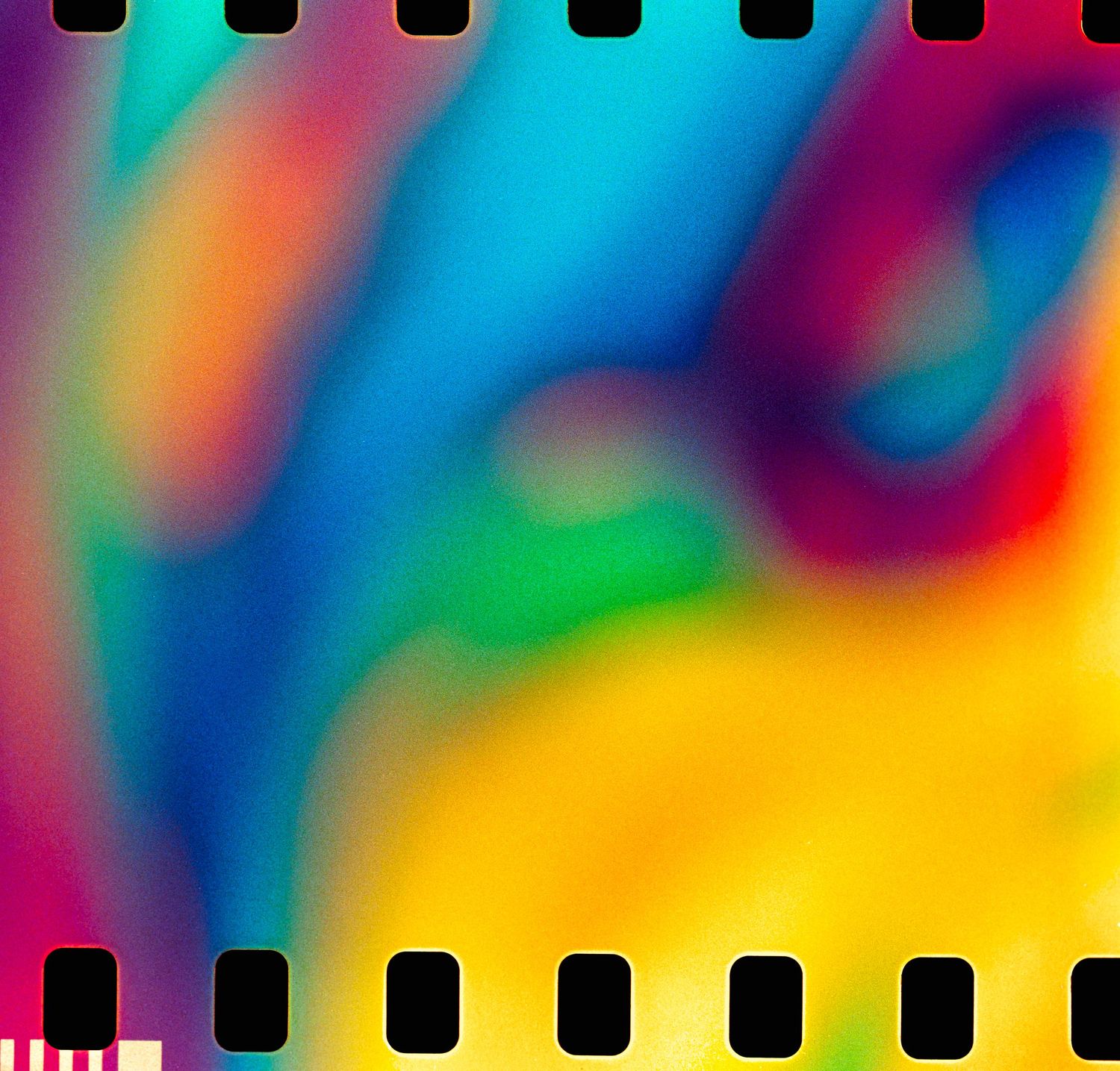
As a fun sidenote: here are the film leaders at the start of the roll that were exposed to light. It might help to give some insight as to what’s going on with the tinting/pre-exposure. They also look super cool.
Dubblefilm Jelly
Psych Blues #3
Conclusion
Would I buy either of these again? For personal daily shooting, probably not as these don’t exactly fit my personal aesthetic. But, if a client or project comes along where this kind of thing is appealing, then, yes, absolutely. After shooting sample rolls, I feel confident in using these recreationally or professionally with the caveat that the results are going to be purposefully unpredictable. Jelly is the more intense of the two, so if you want rainbows to the extreme, then go with the Jelly. If you want more of a color-blob look, then I’d recommend the Psych Blues #3.
Let’s Shoot!
I think Dubblefim Jelly in particular would be super fun for family photos or portraits of kids. Including it as a film add-on to a family portrait session or a couples session would be a great bonus to go along with a standard digital session. If you’re in the Northern Virginia area and are looking for family portraits, couples photos, or any kind of professional portraits, and want to try this film, visit the contact page and get in touch!