An Ode to Film Photography
Consider this a love letter to film
Film photography is back from the dead. But why—with the absolutely mind-blowing technology of modern digital cameras—is film seeing such a resurgence? Because it’s so cool. Let me count the ways.
Nostalgia
I recognize that a digital camera’s sensor converting rays of light into a series of ones and zeroes is basically magic, but slapping a fresh roll into a camera that’s older than I am is fun.
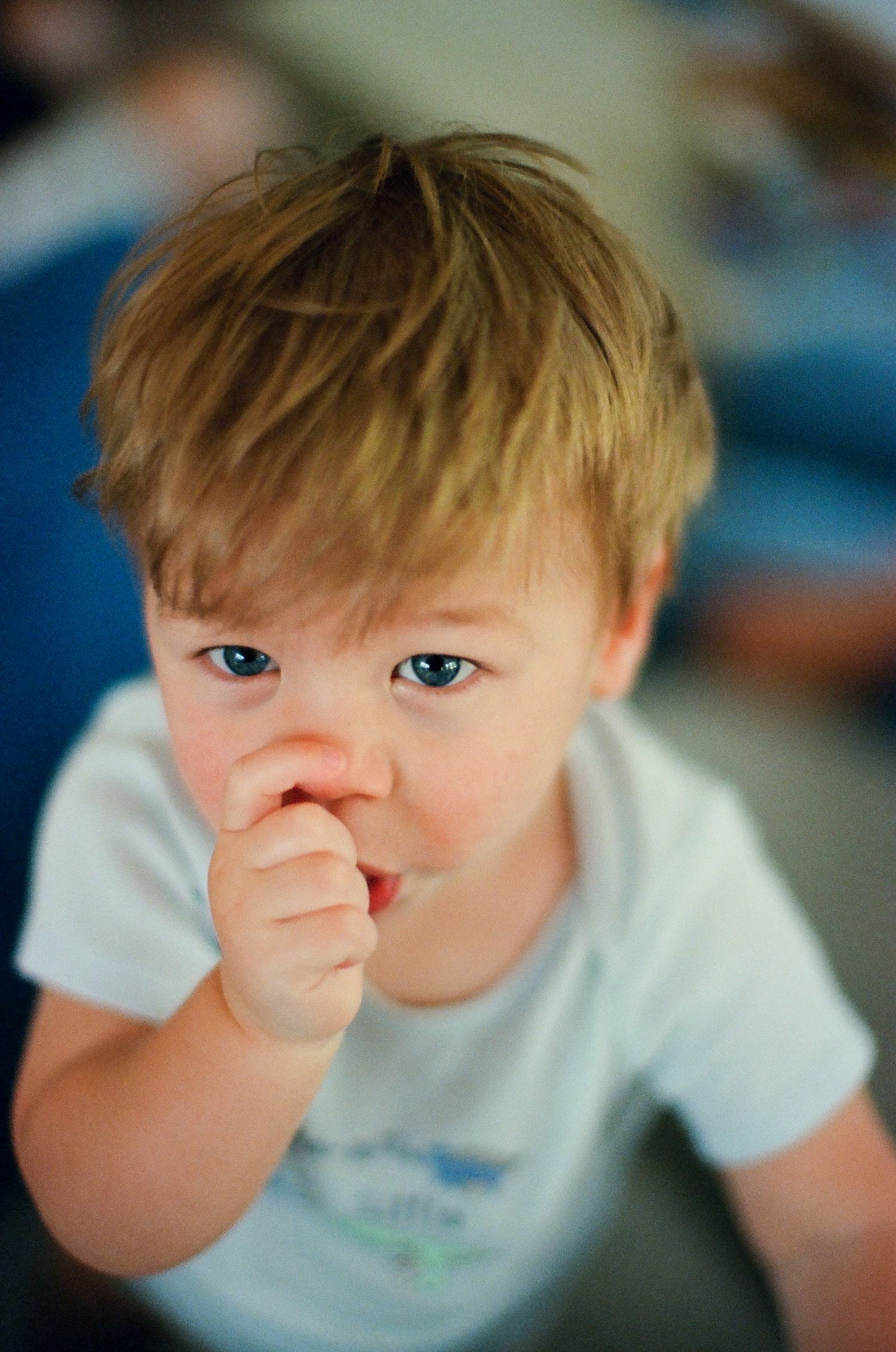
When I click the shutter, light reacts with microscopic silver halide crystals, creating images burned into a plastic strip that need a chemical bath to be visible. Pretty neat. There’s nostalgia in there, too. For 100 years, film was the photographic medium. All the early photos of me, my parents, and my grandparents were taken on film. I missed a few of the first years, but now I’m making sure my own child is captured on film as well. Besides the feel of it, that nostalgia also has a look.
Visuals
The way film renders images is just different from digital. Yes, you can get close with some editing work, but I personally like the two formats to look different. I like the texture that film grain provides. It’s why I choose 35 mm film over medium format. That grain is what makes film film, so why wouldn’t I want it there?
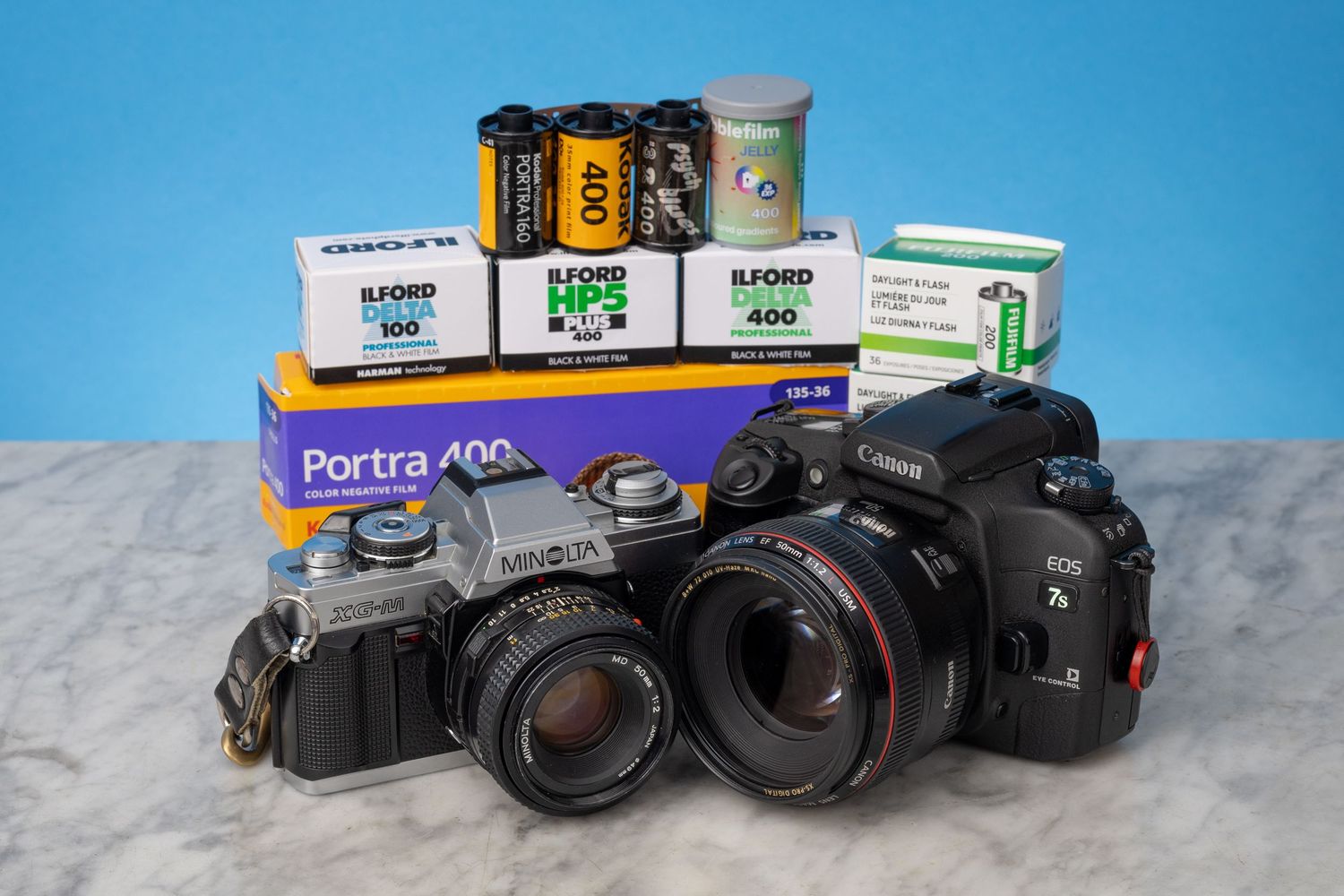
The colors on film can be influenced by the specific film stock. Kodak Ektar for example is known for its saturated colors, while Fuji Superia emphasizes green tones in its shadows. Black & white film is the absolute best for making human skin look wonderful. It’s exciting to select just the right film stock for a given situation and to be rewarded with pleasing images from making the right choice.
Film handles light differently as well; it’s why photographers spend money on lens filters for digital cameras to replicate some of film’s charm. Quick synopsis: bright lights on film spread out in a (subjectively) more pleasing way. It’s a part of the inherent softness of images on film. When I want sharp, I go digital; when I want a particular feel, I go film.
Process
I admit it, shooting on film is illogical. It’s expensive. It’s labor intensive. Most aspects of digital imaging are objectively better, and that’s why I have an awesome digital camera. But sometimes I want the laborious process. I like fiddly stuff. I like routines. The tactile experience of film is worth the cost and extra steps for me. Handling physical rolls of film and feeding negatives one at a time through my scanner is a tangible experience that I enjoy.
When I shoot film, I slow down. I only have 36 shots–or 12 on medium format–so I have to get it right. I take my time to observe and be more intentional about what I’m capturing. The deliberate slowdown helps me to connect to the moment ; it’s an attempt at being more intentional. It helps me to look at the world differently. It’s especially true when I’m shooting in black & white because I cease to worry about color, and instead my eyes are drawn to texture, contrast, and light.
It all somehow feels more difficult, which makes it also feel less disposable. I won’t shoot it and forget it deep within the depths of my phone’s camera roll. And as I mentioned, film is expensive! Every click of that shutter tugs in my frugal-dad heart. Since I’m not here to waste anyone’s money or time, I focus on the moment to get it right.
The Wait
Cue Tom Petty’s “The Waiting” because, as the hardest part, the waiting is a blessing and a curse. For as intentional and precise as I might try to be, I’ll never know how good film photos are until after they’re processed. I like that anticipation, though, and the relief when I finally see that the images are what I’d hoped they would be. For clients, much of the wait is a behind-the-scenes process, but after a few weeks, seeing those photos for the first time is so rewarding.
Journey
My first forays into photography were on film. I took photography during my senior year of high school and absolutely loved using the Minolta XG-M 35mm camera given to me by my dad. At the time, digital was just an up-and-coming technology (I’m old), and I didn’t think it would catch on because, come on, developing your own film, and spending hours in the dark room processing enlargement was the coolest thing ever. It turns out the convenience of immediate photos is actually really appealing. Like most people, I left film behind and fully embraced digital photography.
I kept up with the hobby and in 2024, I purchased a Canon R8 mirrorless camera; it was and is a technological marvel. The autofocus is mind blowing, and with modern lenses, my images are sharp, clean, and beautiful. But sometimes when I reviewed my images, I found certain ones were missing something. Plus, putting in an SD card just doesn’t hold a candle to popping in a roll of film. I dug out my old XG-M, and it, of course, had succumbed to Minolta‘s infamous capacitor failure. Thankfully, the Internet is full of information, so with a tutorial, new capacitors, and my questionable soldering skill, I opened up my faithful camera and went to work. Somehow I was successful, and the XG-M–much like the popularity of film photography–came back to life. After a few rolls, I upgraded to a more modern film camera (still 20 years old) and began incorporating film professionally to family photo sessions and individual portraits. In my personal life, there’s no longer the question of whether or not I’m bringing a camera; it’s the question of digital or film.